
Adelaide’s Heritage Façades
Much of Adelaide’s architectural heritage is a testament to South Australia’s prosperity during the 1800s copper boom. Ornate façades built during this era projected confidence and ambition, and today they remain integral to the city’s identity. Preserving these structures while meeting modern building standards through adaptive reuse is no small feat, it demands creativity, technical expertise, and a commitment to sustainability.
Engineering Challenges Behind Adaptive Reuse
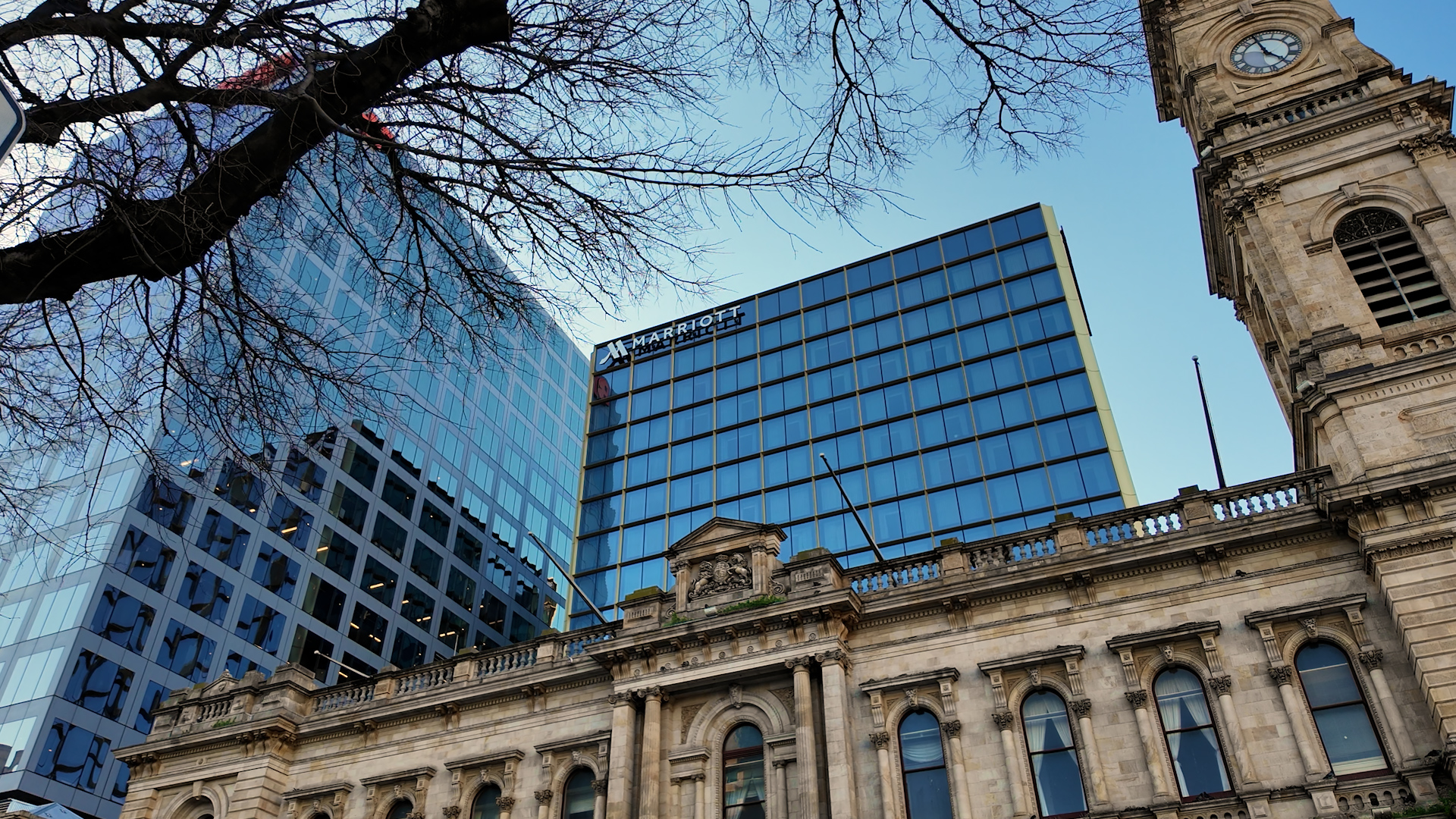
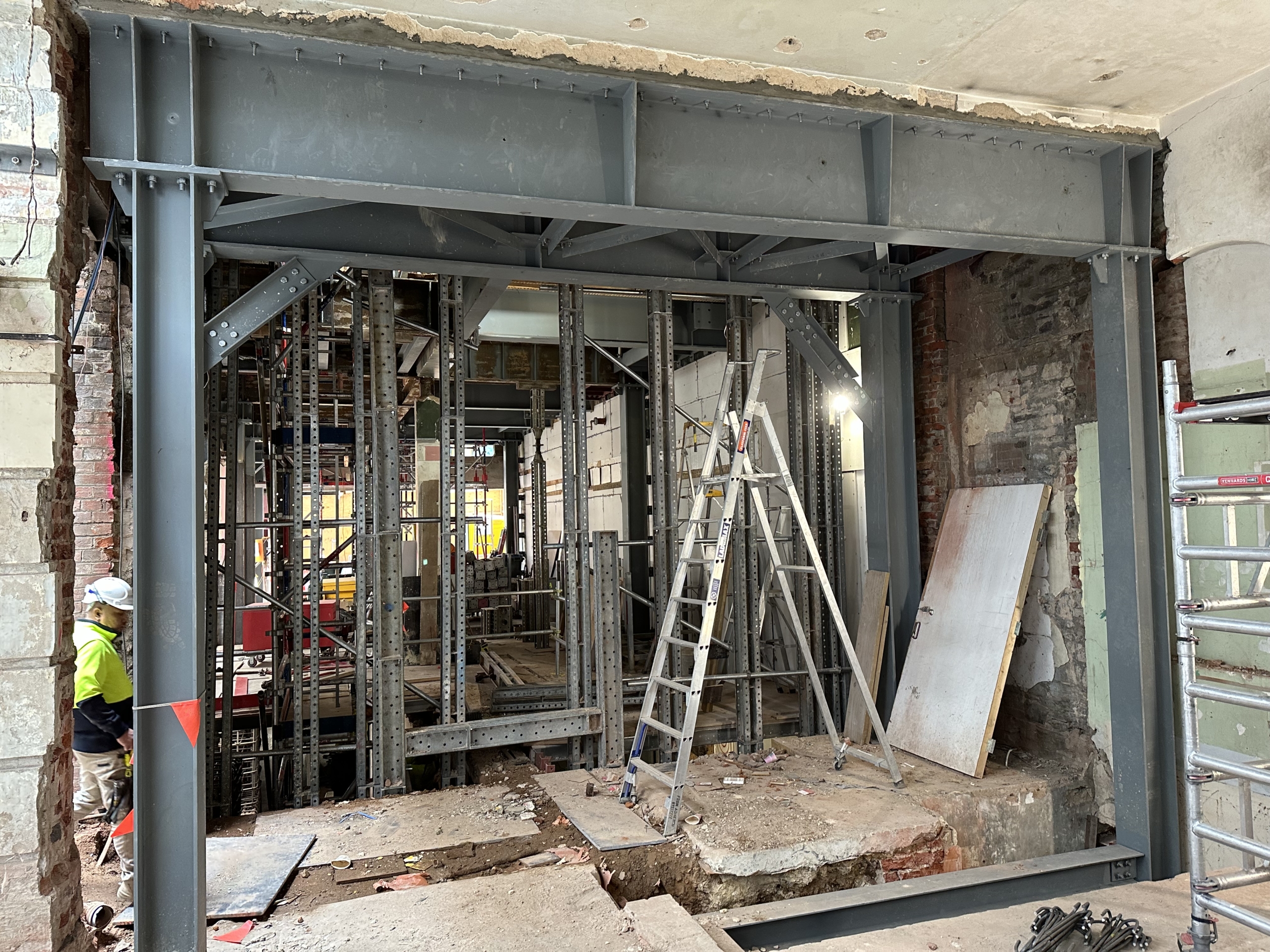
Adaptive reuse projects in Adelaide demonstrate how engineering innovation can breathe new life into historic buildings. The transformation of the General Post Office (GPO) into the Marriott Hotel is a prime example. The site included a 1920s addition that was not heritage-listed, allowing the architect to position the new hotel’s base structure in this corner and cantilever the upper floors over the original heritage-listed sections facing the street. Retaining those heritage elements required RBG to design complex temporary works and develop an installation strategy that minimised both cost and risk.
Thomas Rees-Lightfoot, Senior Associate and Construction Engineering Team Lead (SA+WA), explained:
“The challenge the client set for us on this project was to keep the existing heritage structure safe and stable while the demolition and construction works proceeded. This prompted us to search for better methods for providing them with temporary stability. To achieve this, we conducted intrusive investigations to reduce the amount of guesswork required and this led to more accurate, less conservative bracing designs which produced cost savings for the client.”
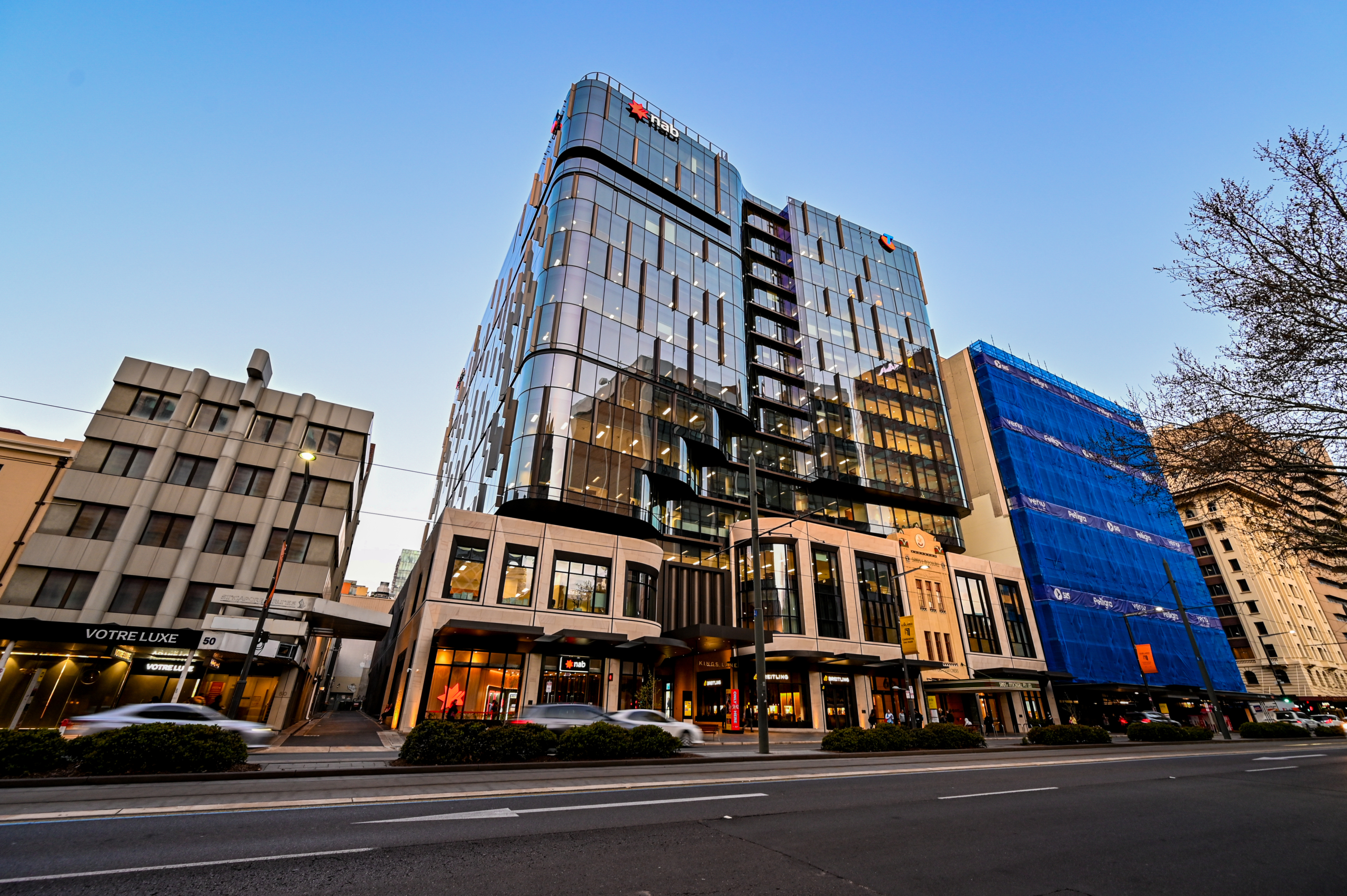
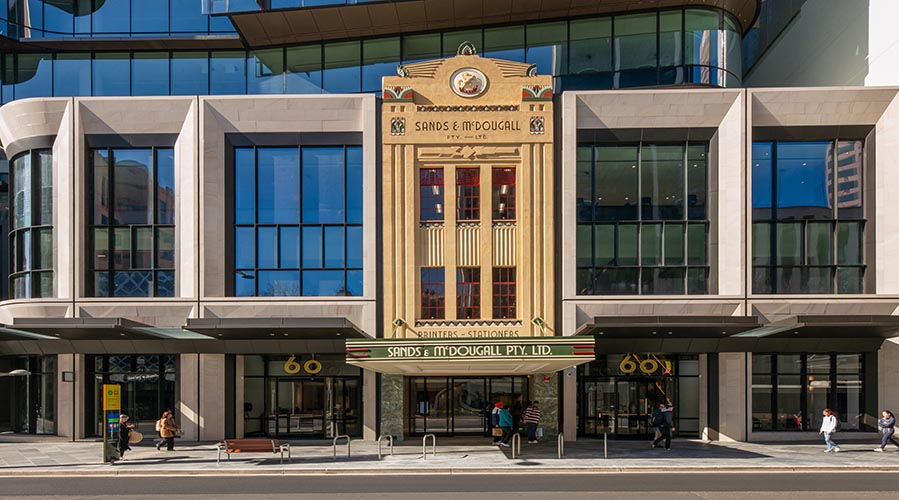
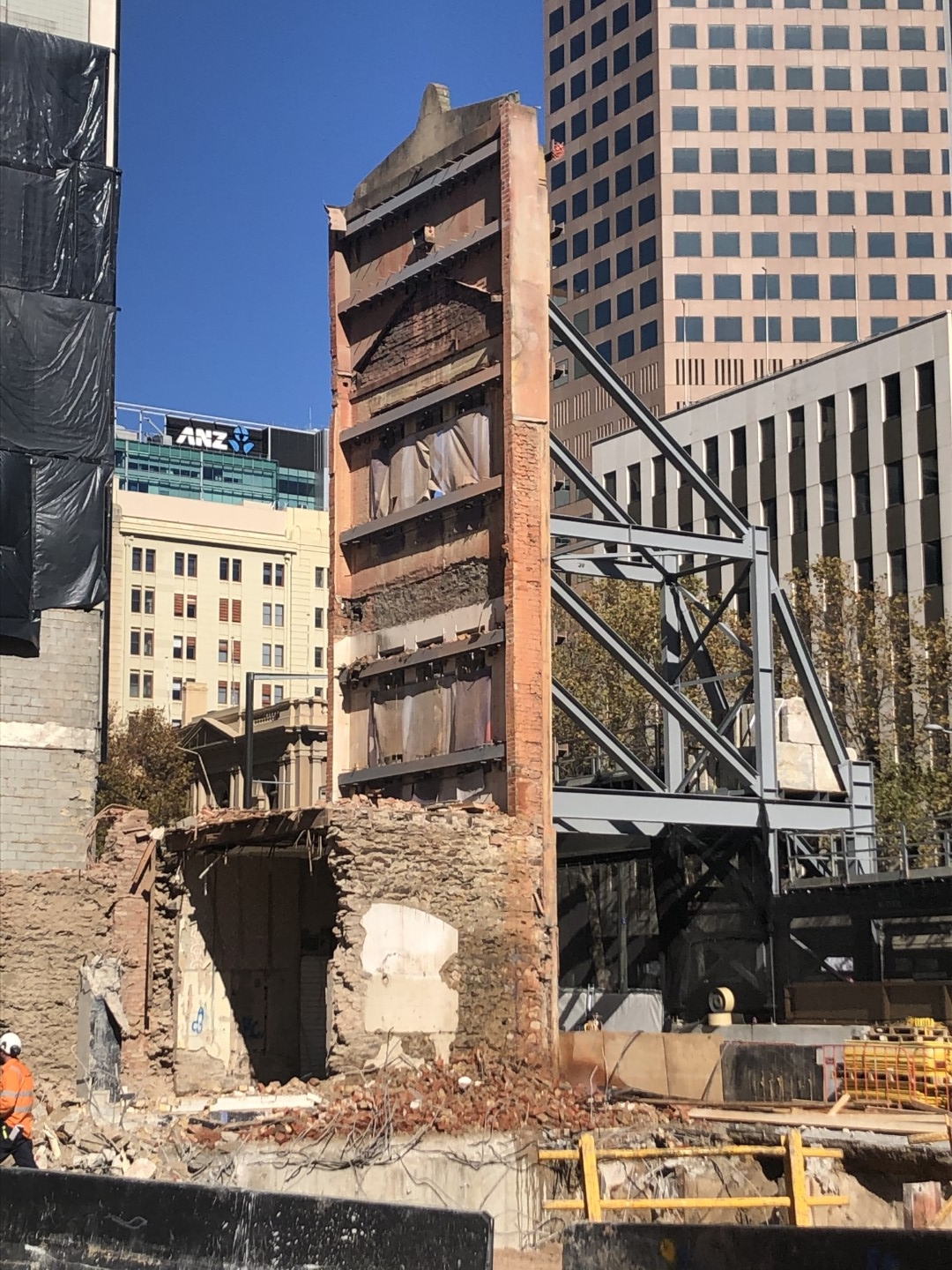
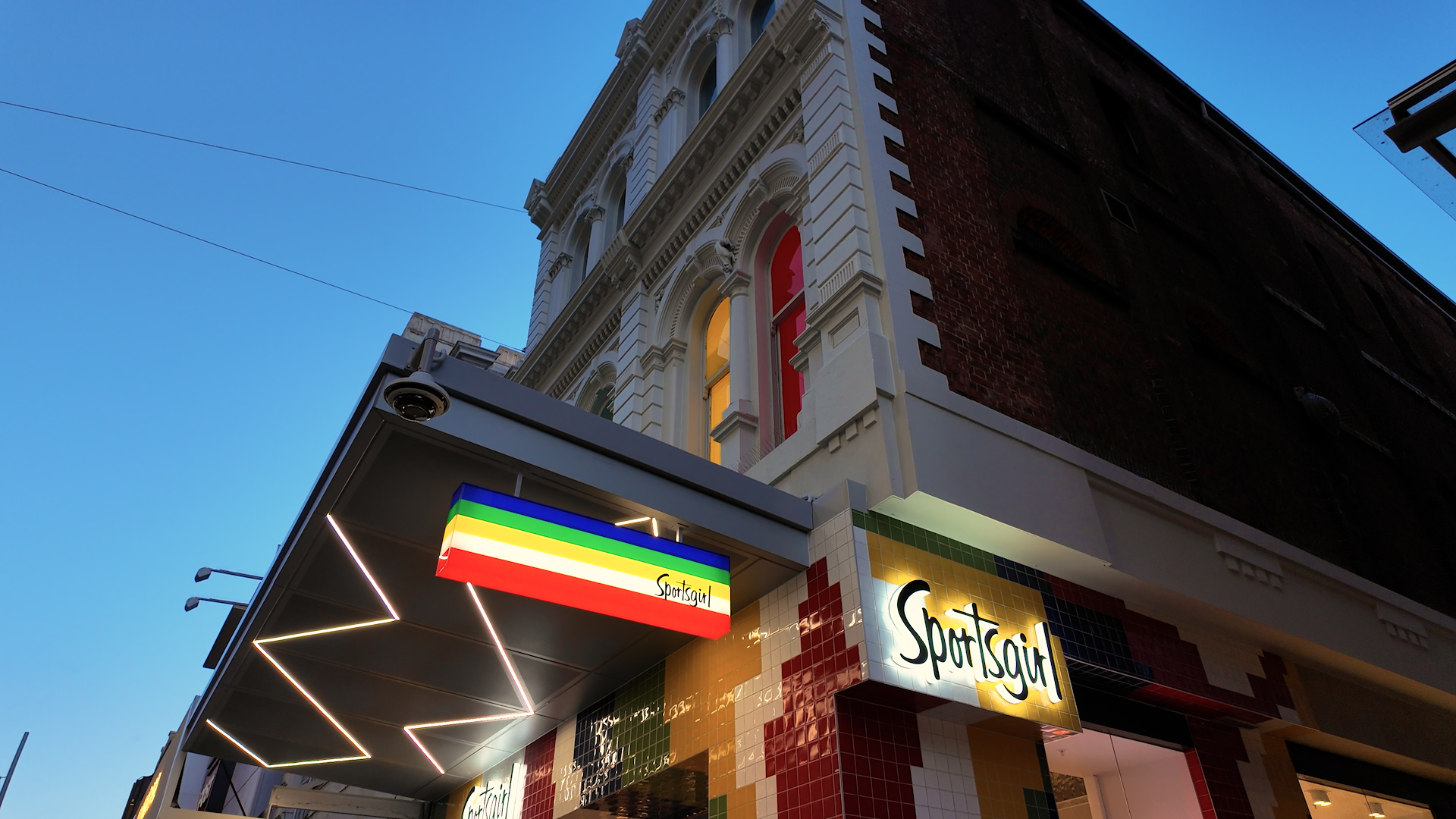
Other projects posed equally intricate challenges. At 60 King William Street, a slender Art Deco frontage was preserved using a custom-designed support frame while the existing building was demolished and replaced with a new office building. At 27 Rundle Mall, engineers undertook seismic upgrades to a masonry heritage structure to meet modern compliance standards – a task requiring advanced analysis and careful execution in the heart of the city. Government House, Australia’s oldest government building, underwent accessibility upgrades without compromising its historic integrity.
Balancing Heritage and Progress
These projects illustrate the delicate balance between heritage protection, cost, and quality. As David Kennedy, Principal (SA+WA), explained:
“We strive for the balance of cost and quality on heritage refurbishment projects – the constraints of heritage protections do create more pressure. But as the saying goes, it’s pressure that creates diamonds, and that’s where the reward lies for me.”
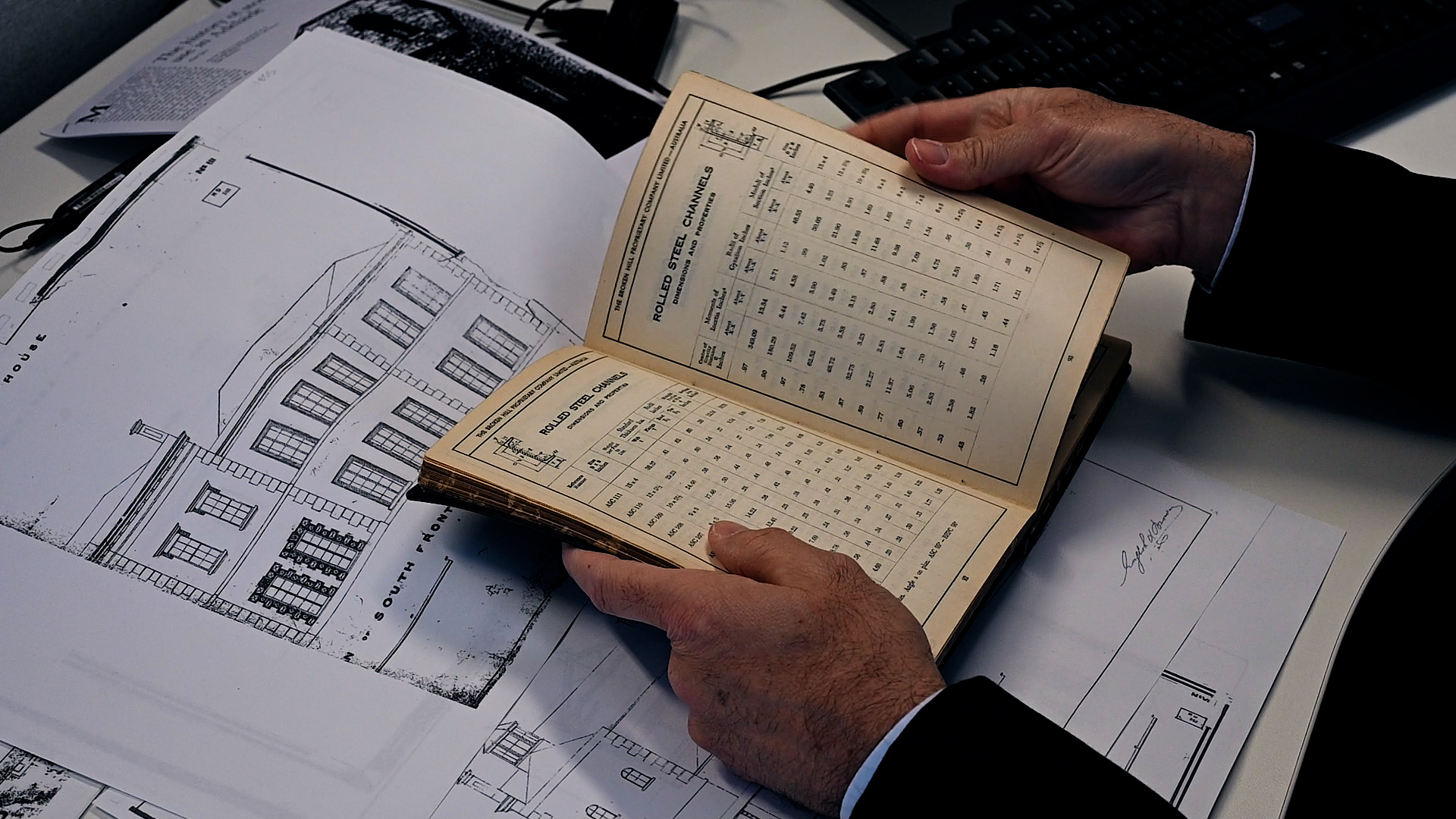
The principles behind Adelaide’s adaptive reuse projects aren’t limited to one city. Across Australia – and globally – urban centres face similar challenges of balancing heritage preservation with modern functionality. The engineering strategies demonstrated in these projects, from seismic upgrades to innovative façade retention systems, provide a blueprint for sustainable growth. By embracing adaptive reuse, cities can reduce carbon footprints, conserve resources, and maintain cultural identity while meeting the demands of contemporary living.
Adaptive Reuse – Where Sustainability and Heritage Meet
Beyond aesthetics and heritage value, adaptive reuse can deliver significant environmental benefits. CJ Wilson, Sustainability Specialist, emphasises:
“Preserving and repurposing heritage buildings and façades isn’t only about aesthetics – it’s a critical sustainability strategy. By retaining existing structures, we can significantly reduce embodied carbon, minimise waste, and honour cultural heritage while meeting modern societal needs and performance standards.”
Watch Our New Video below
The video showcases some of the adaptive reuse projects of heritage buildings delivered by our team in Adelaide.