“This building is a heritage landmark.”
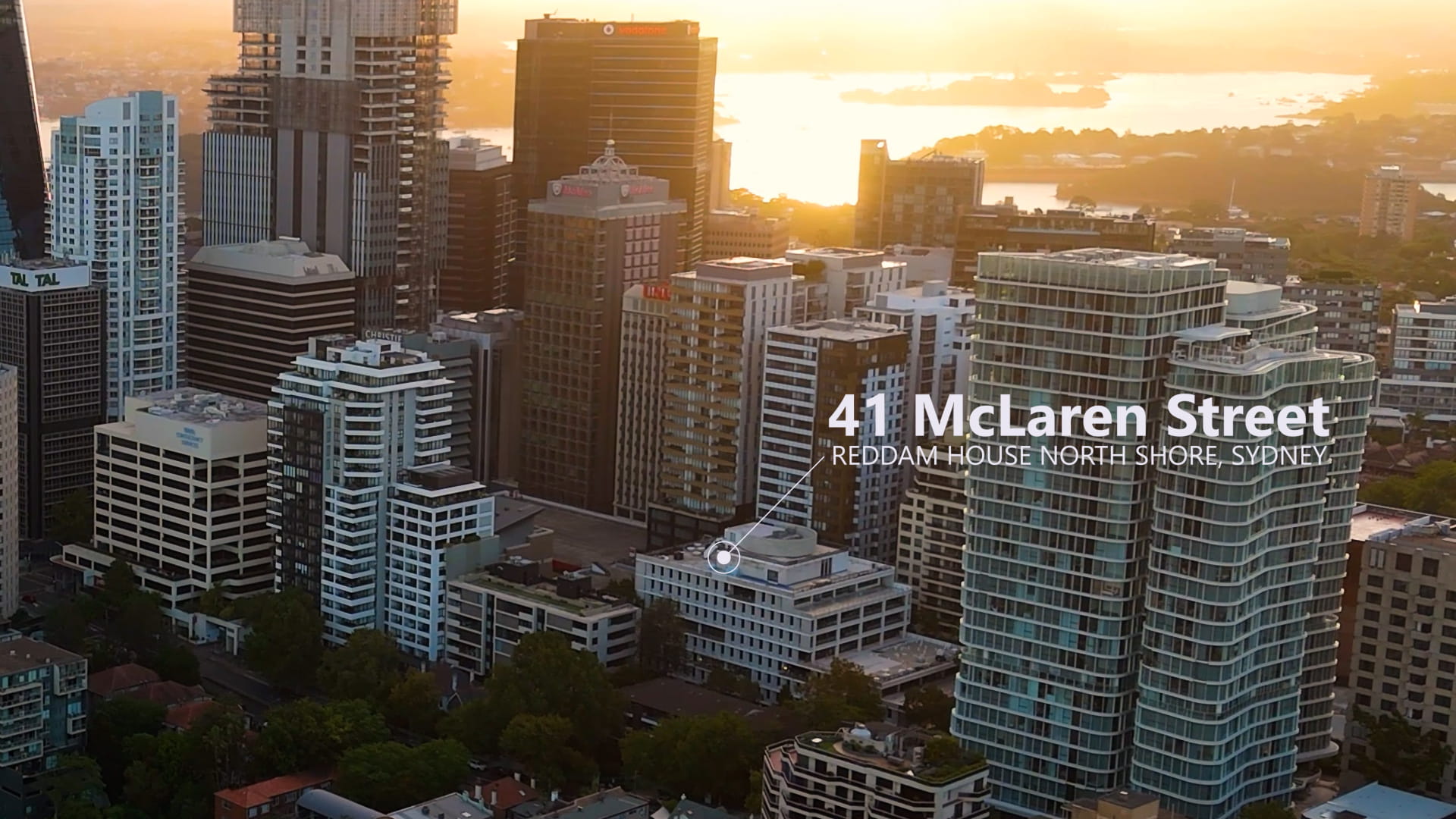
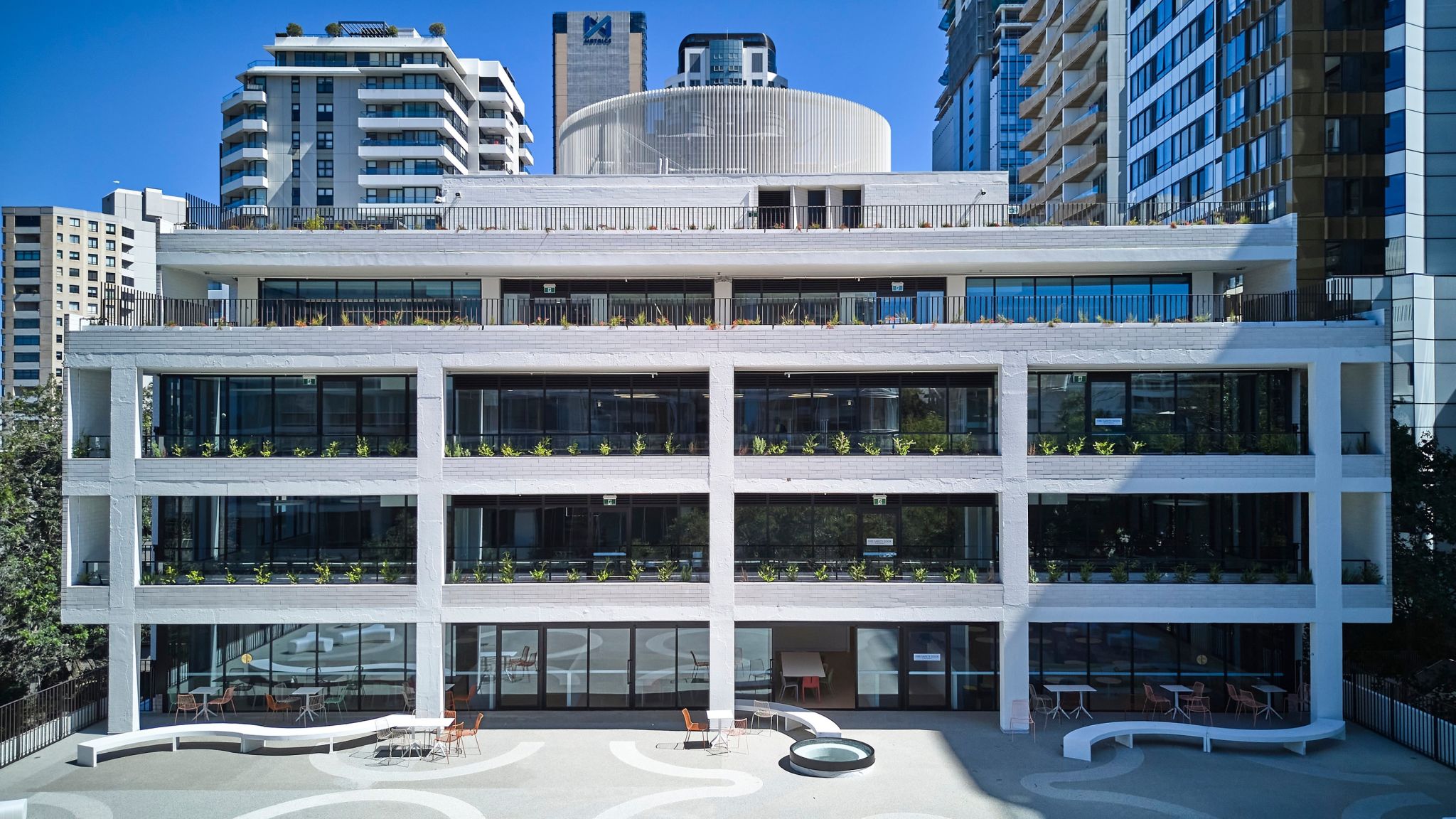
Those words set the tone for one of Sydney’s most ambitious adaptive reuse projects: transforming Harry Seidler’s iconic 1970s design, at 41 McLaren Street in North Sydney, into a modern K–12 educational facility, Reddam House North Shore operated by Inspired Education.
Preserving History While Building the Future
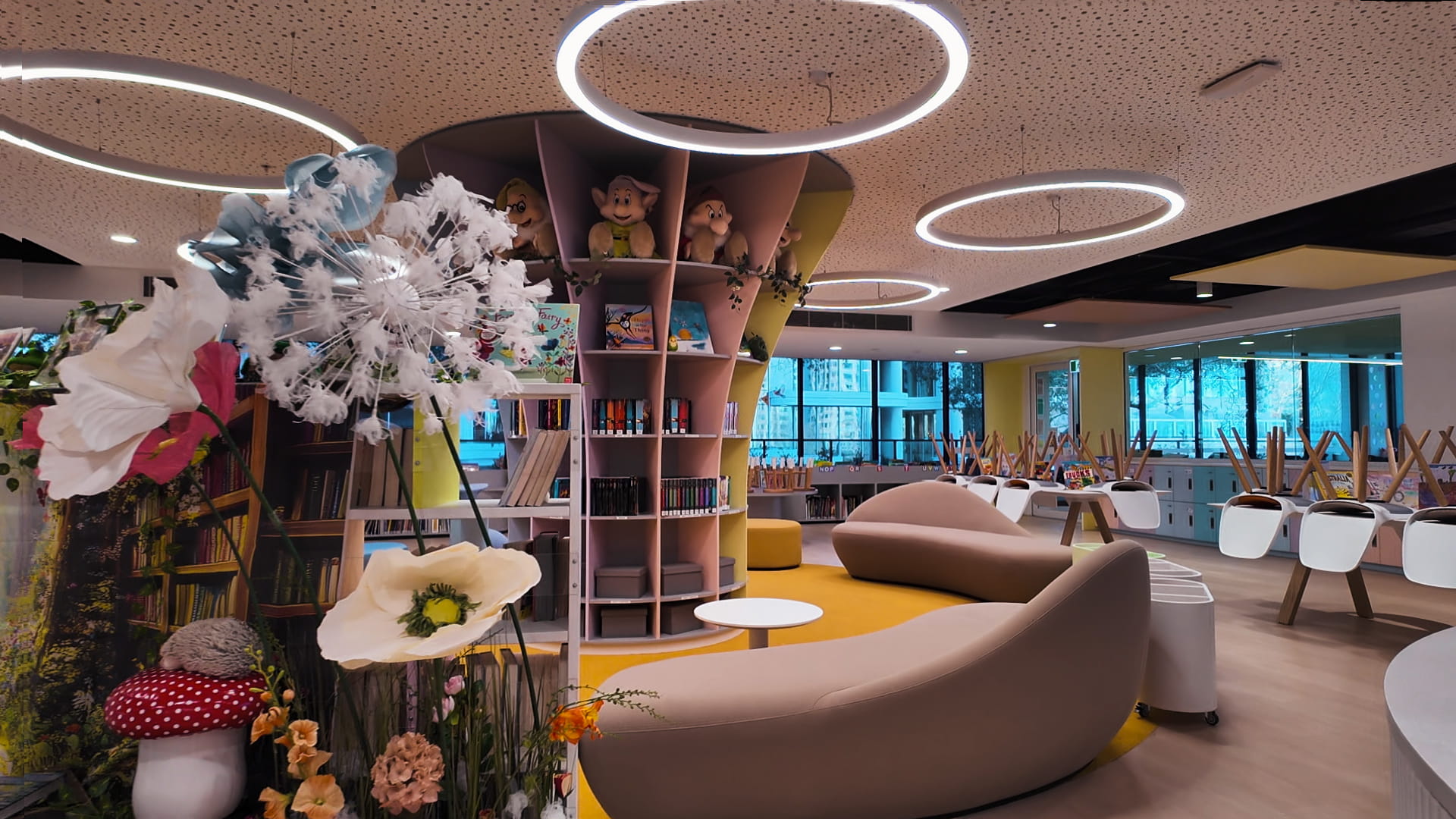
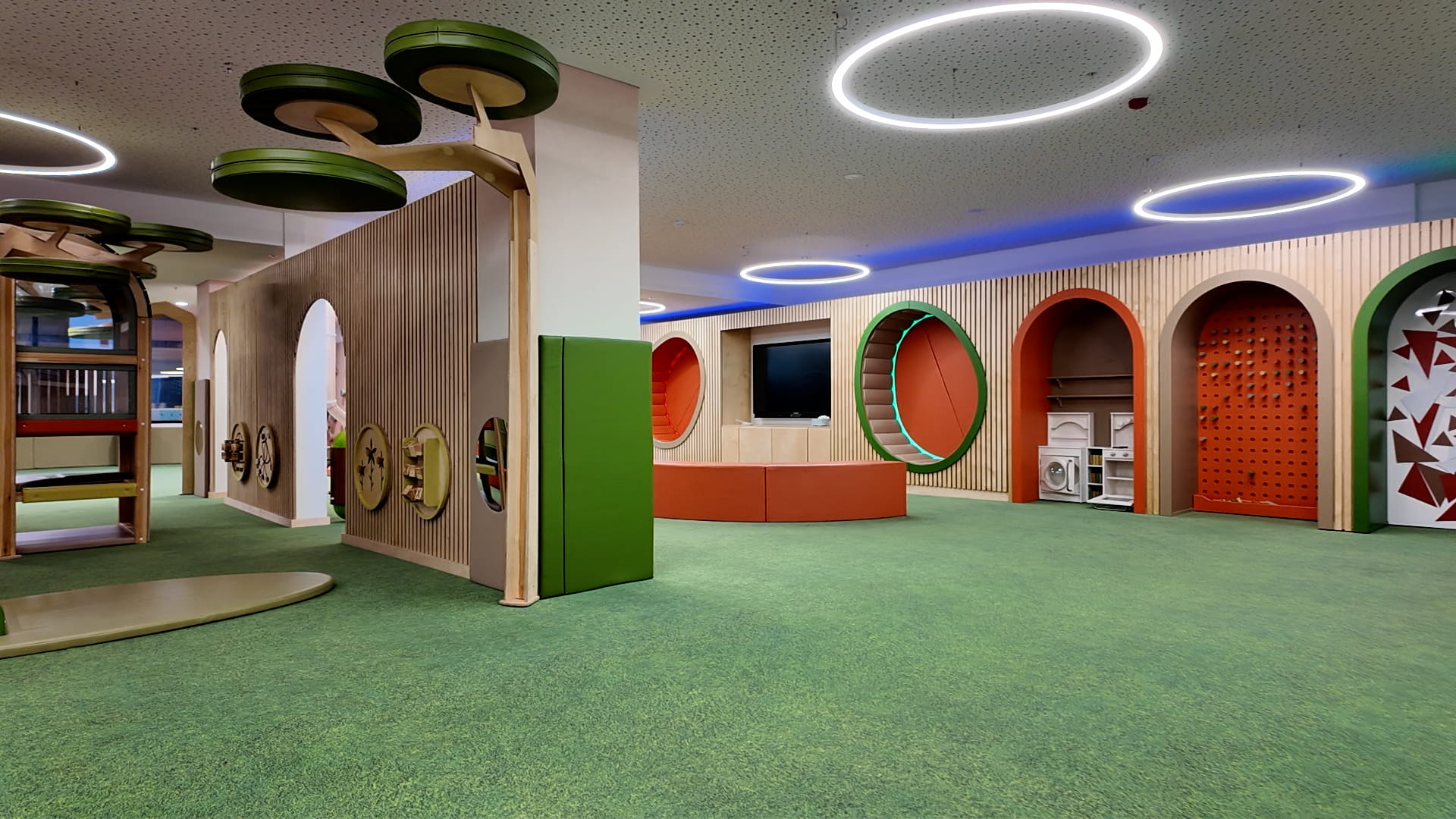
From the outset, the vision was clear – retain the building’s rich heritage fabric while creating a space that meets global educational benchmarks. Inspired Education’s Andrew Hansen explained that this wasn’t just a refurbishment; it was about creating a world-class learning environment within a heritage shell:
“We fit into this design all of the flexibility and the needs that we saw our students needed from their learning outcomes.”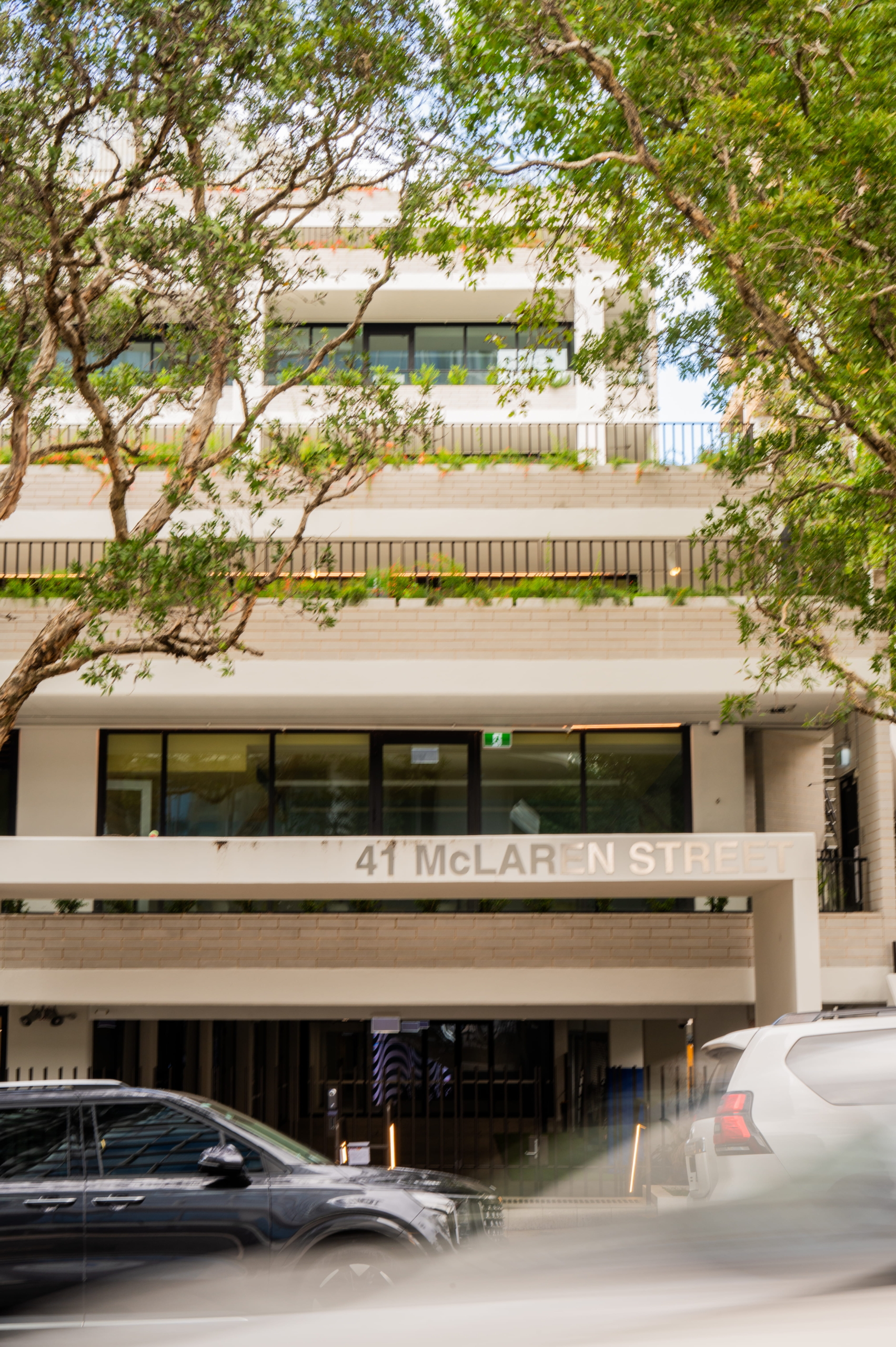
This meant light-filled classrooms, adaptable teaching spaces, and modern amenities – all without compromising the building’s architectural integrity.
“Being able to bring that to life for not only our families who see it day to day, but the community that comes in to see the school – they get to explore and understand the deep history that this building actually has for this area,” Andrew continued.
Robert Bird Group worked with client, Built., on delivering this ambitious project. Senior Development Manager at Built., David Brain said:
“When we reactivate buildings, we look to leverage the iconic architectural features and preserve the rich heritage fabric. We think that this contributes both culturally and financially to the value of the building.”
The result? A school that not only serves students but also invites the community to explore and understand the deep history embedded in its walls.
Engineering Challenges That Tested Limits
The transformation was far from straightforward. Two major structural interventions defined the project: seismic upgrades and a complete basement reconfiguration to accommodate new facilities, including a gymnasium and a drop-off zone.
Joseph Bonica, Principal Structural Engineer at Robert Bird Group (RBG), described the complexity:
“The design demanded for the existing basement to be dug out to add an extra level at the footing location, all while the concrete frame above remained in service. We had to underpin every column safely while maintaining live loads.”
This required a bespoke methodology. RBG designed temporary steel props fitted with hydraulic jacks to transfer loads from existing columns, enabling excavation and demolition without compromising structural integrity.
“Once the props were installed and jacked, the contractor could excavate between them, demolish the old columns, and build new foundations. In areas where columns were removed for open space, we incorporated steel transfer beams and jacked them up with 600-tonne jacks to prevent sudden deflection,” Joseph explained.
The confined site added another layer of complexity. David Brain from Built, RBG’s client for the project, recalled:
“There was one point when we had eight pieces of heavy equipment – excavators, drilling rigs, skid steers, and elevated work platforms – all operating in a highly constrained space. The only way to do that safely was with the right team and systems.”
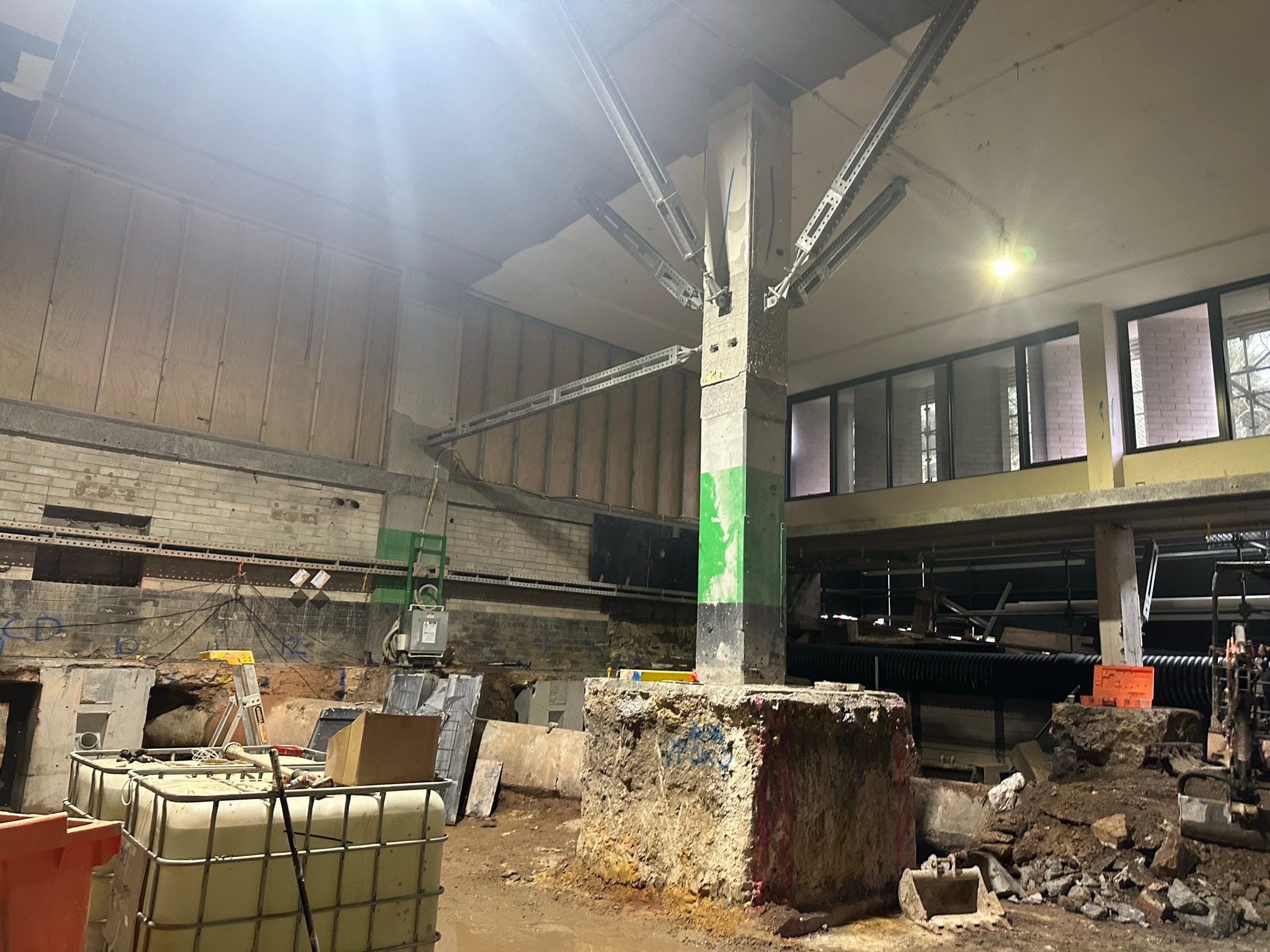
Demolition of floor slabs and further excavation of the basement extension which shows exposed pad footings, double height columns braced to prevent buckling and preparation of columns to be underpinned and removed for installation of transfer beams
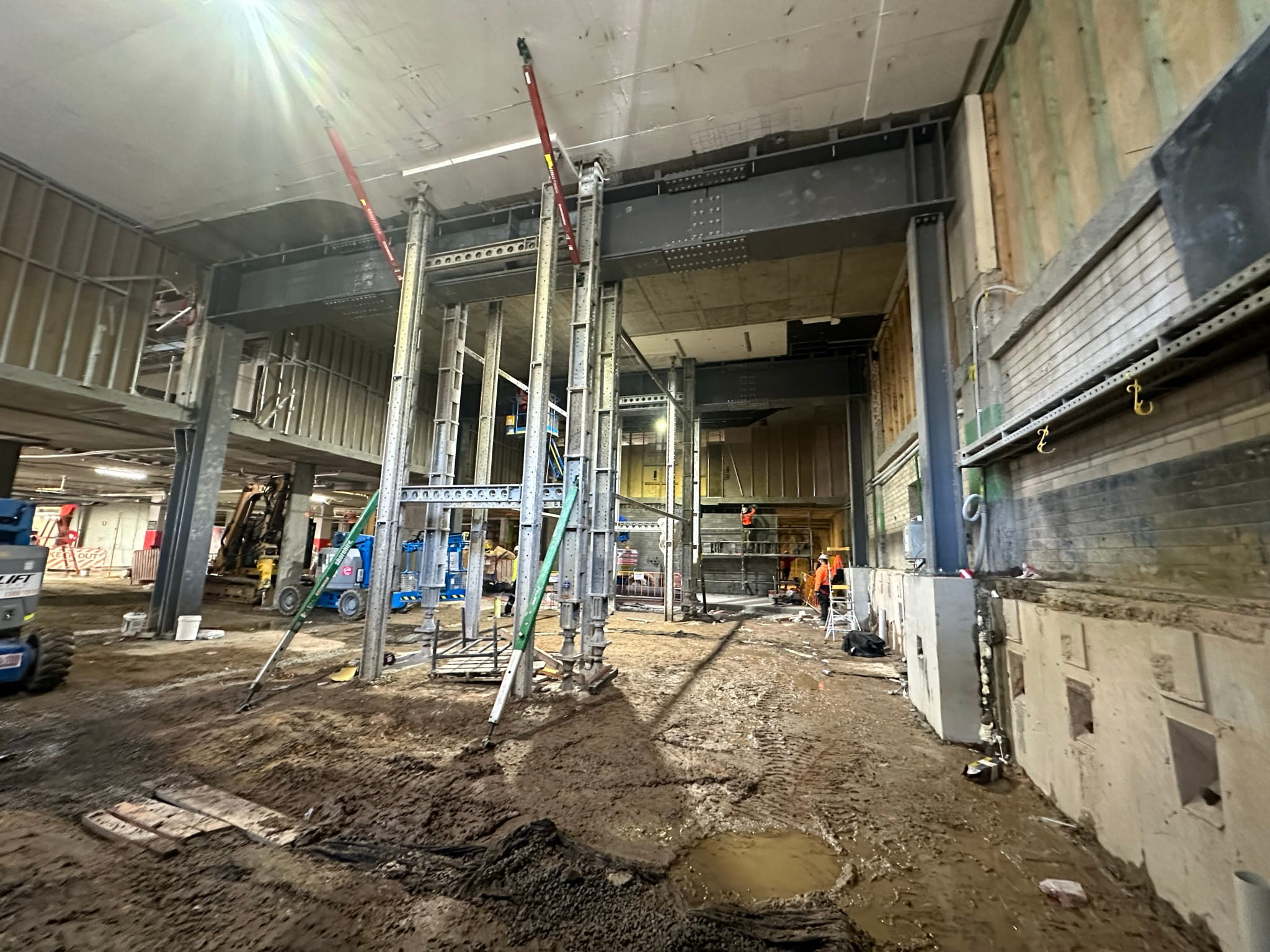
Installation of new steel transfer beams that allowed demolition of the existing columns to facilitate the construction of the proposed auditorium. The above columns were propped using the shoring tower shown under the existing steel beam
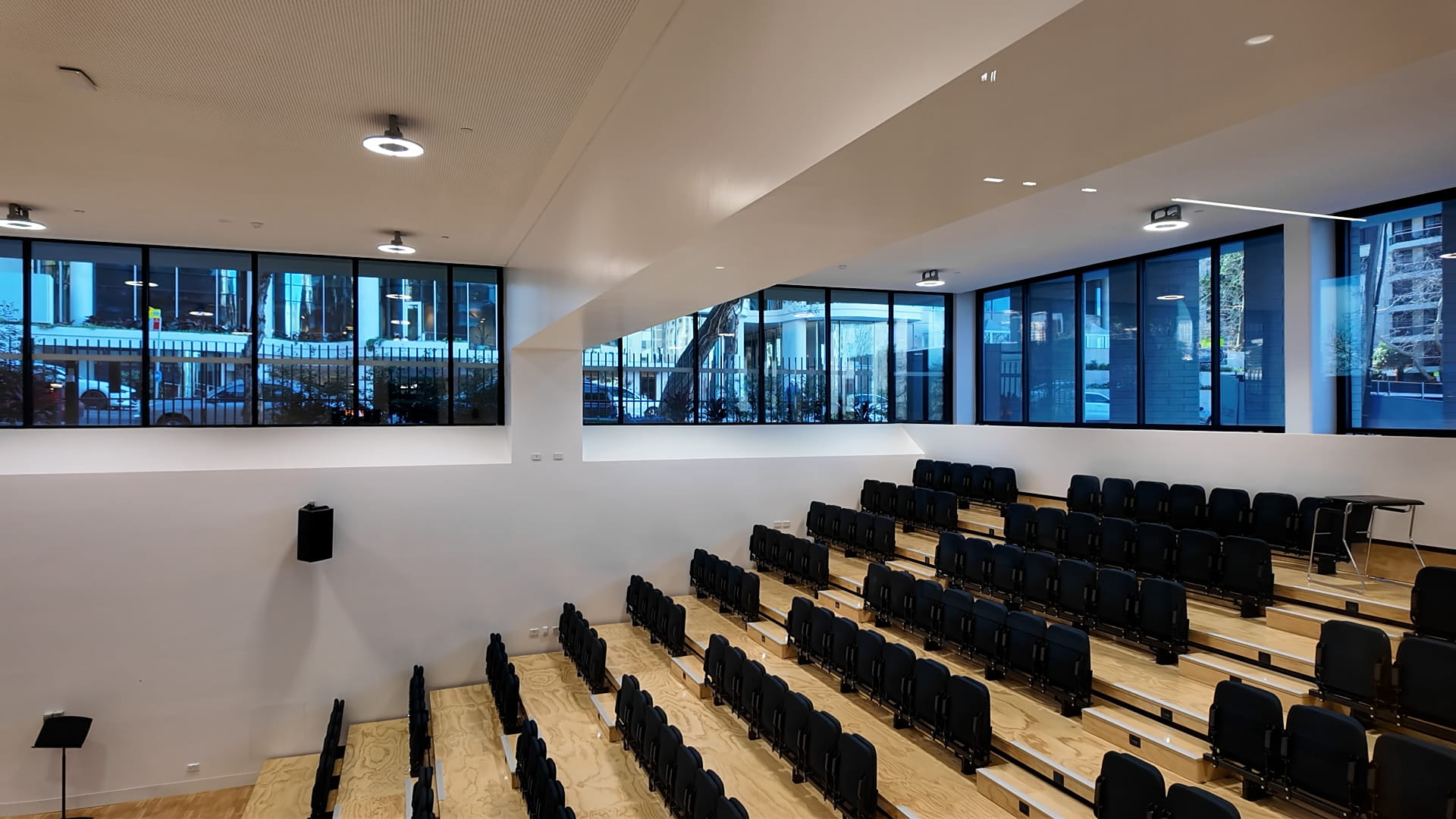
The basement now stands proud as the school gymnasium
Smart Solutions for Heritage and Compliance
Meeting modern Building Code of Australia (BCA) seismic standards without erasing the building’s character was a balancing act. Joseph explained:
“If the building had to be upgraded to full compliance, we would have lost that heritage feel. Working closely with all stakeholders, we came up with a performance-based solution to meet seismic requirements while preserving the original design.”
This involved strengthening columns, addressing punching shear issues, and adding new walls where necessary – all while maintaining the building’s architectural integrity. RBG’s approach demonstrated how advanced analysis and creative thinking can avoid unnecessary demolition.
Extending Life by Another 50 Years
Durability was another critical challenge. Investigations revealed carbonation and reinforcement corrosion in the original slabs.
“We worked closely with durability consultants and used carbon fibre strips to strengthen slabs. This ensures that as reinforcement corrodes over time, the carbon fibre will take over, extending the building’s life for another 50 years,” Joseph said.
A Sustainability Story Worth Telling
Adaptive reuse isn’t just about heritage – it’s about sustainability. CJ Wilson, RBG’s Sustainability Specialist, explained why this matters:
“Traditional construction is linear: take, make, waste. Concrete and steel production make up 12% of global emissions. And oftentimes those virgin materials are coming from finite resources. Construction demolition waste makes up 40% of Australia’s waste. By using the materials that are already there, we can avoid these impacts.”
A full 81% of the final structure was retained from the existing structure.
“Our mantra for decarbonisation is simple: use less stuff. Even the most elegantly designed new structure will have massively more carbon than not building anything new in the first place. By reusing the existing structure, we’re effectively building less – and that’s the most effective strategy to reduce upfront carbon,” CJ added.
Beyond environmental benefits, adaptive reuse preserves cultural connections:
“People build connection to place through the built environment over time. If we demolish and build new, we lose that connection that makes it so special,” CJ said.
Collaboration and Value Delivered
The complexity of the project demanded collaboration across disciplines. Joseph reflected:
“We worked with our temporary works team, permanent works team, geotechnical engineers, and drew on expertise from other RBG offices for seismic solutions. It was a truly collaborative approach.”
Built’s integrated approach instilled an ethos of collaboration throughout the project. David Brain noted:
“Removing large sections of suspended slabs for the drop-off facility was structurally complex, but collaboration unlocked planning approval and the project.”
Community Benefits
The transformation of 41 McLaren Street into a modern school brings significant benefits to the local community:
- Educational Access: 1,400 new student places in North Sydney.
- Cultural Connection: Preserved heritage fabric allows students and visitors to engage with the building’s history.
- Community Hub: Flexible spaces for assemblies, performances, and events.
Andrew from Inspired summed it up:
“Collaboration was critical – and sometimes that meant conflict handled with respect. The payoff? A building preserved for another 50 years, ready to inspire generations of learners.”