
Project Overview
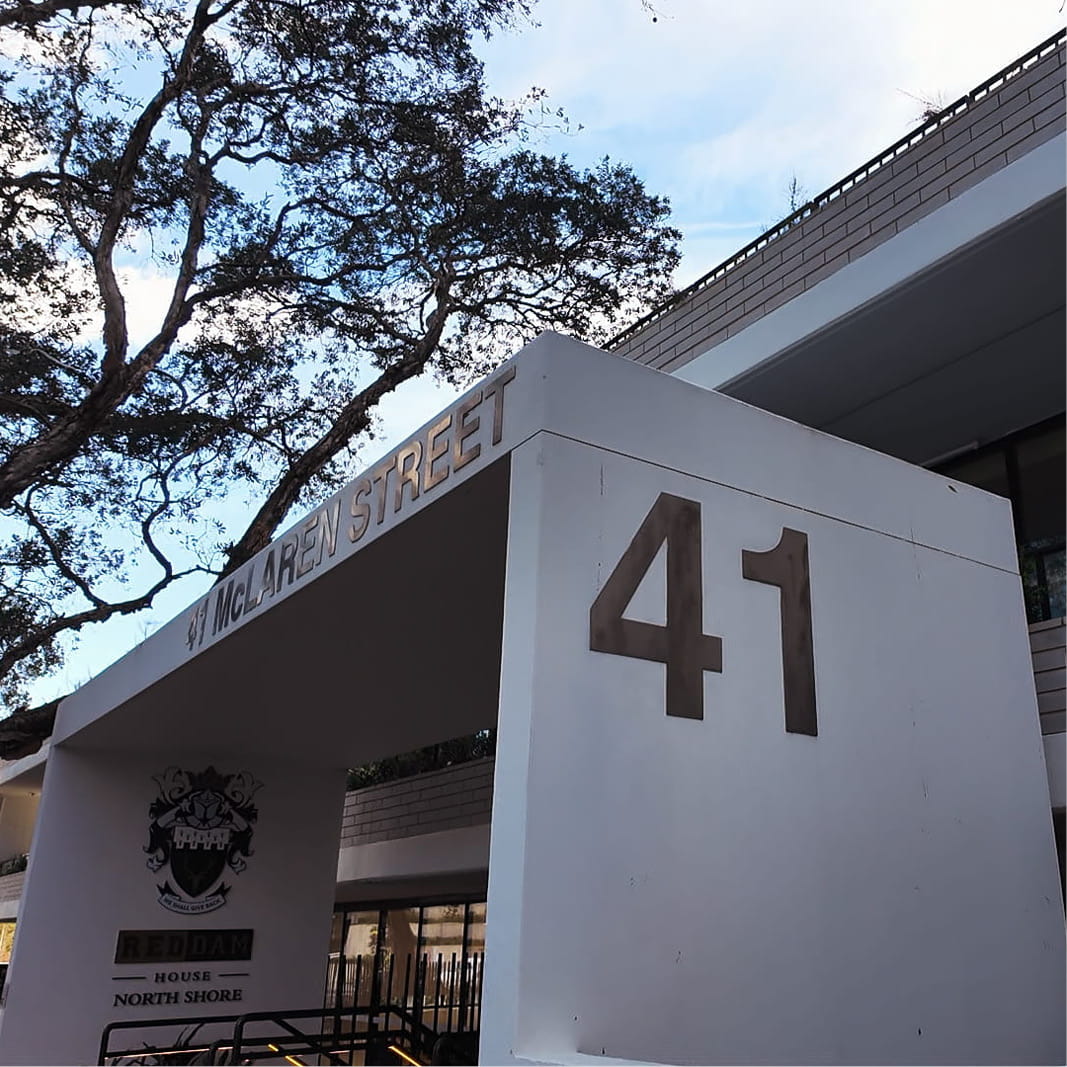
41 McLaren Street, North Sydney, is a heritage-listed landmark originally designed by renowned architect Harry Seidler in the 1970s. This adaptive reuse project transforms the former commercial office building into a world-class K–12 educational campus, Reddam House North Shore (operated by Inspired). The redevelopment preserves the building’s architectural significance while introducing modern learning environments that meet global education standards.
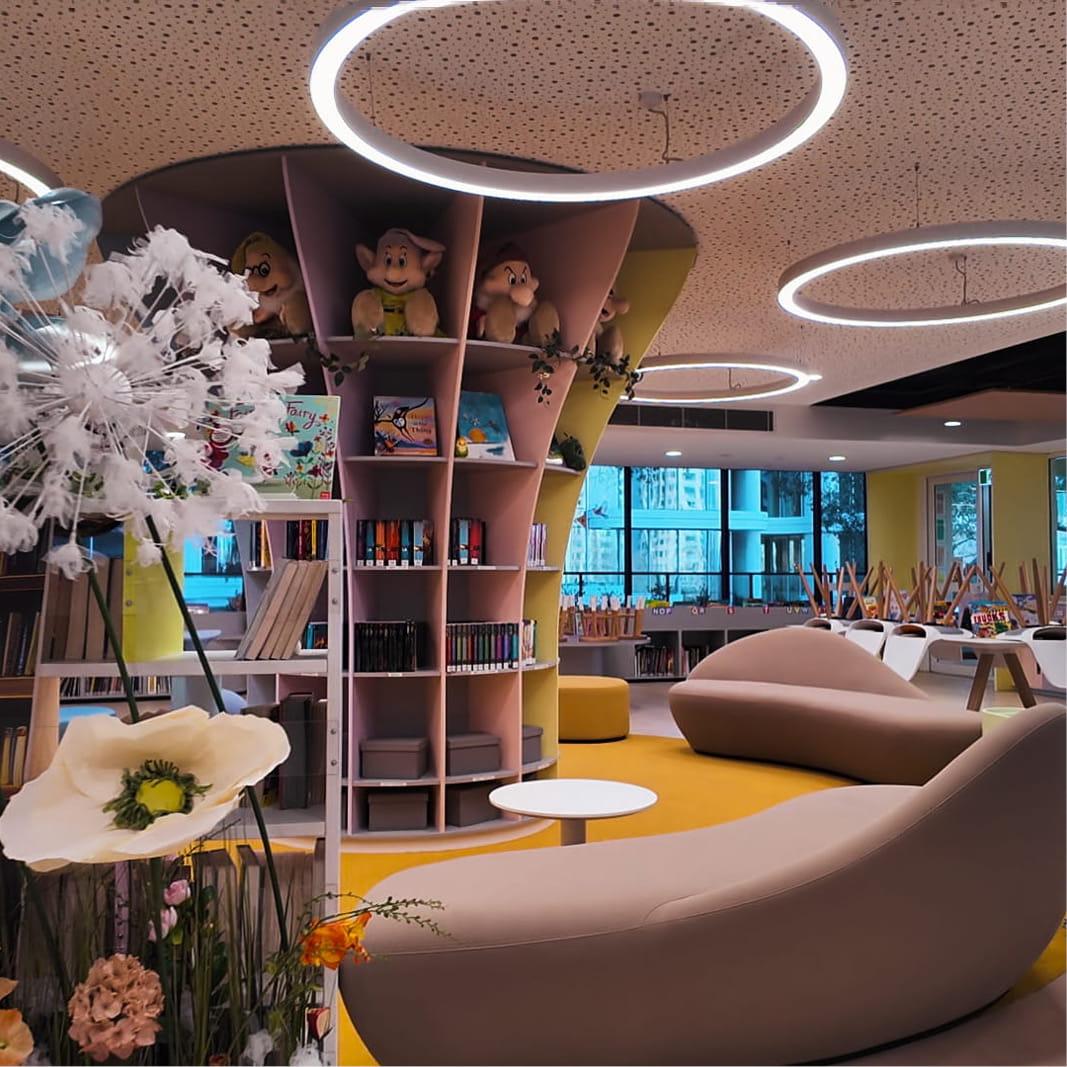
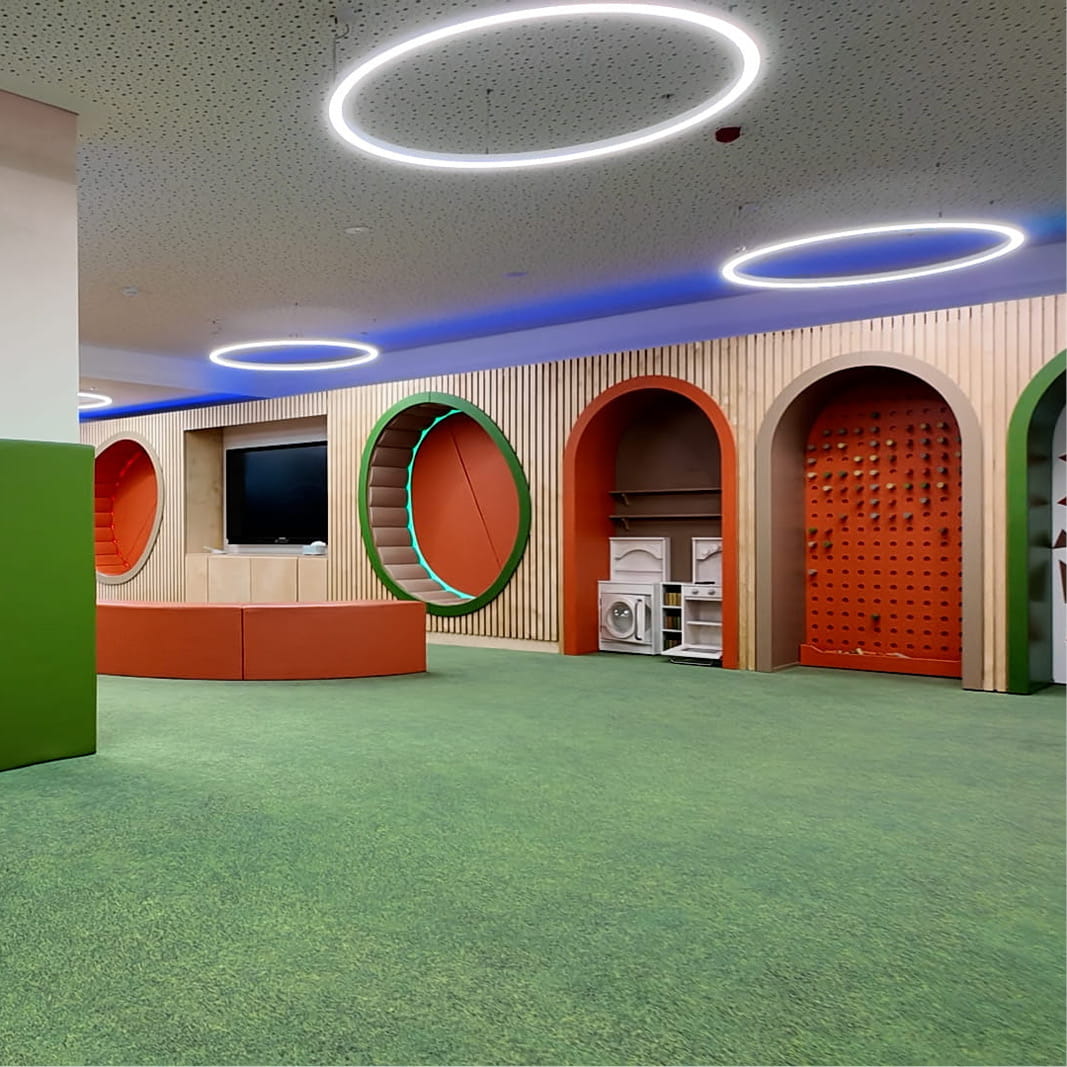
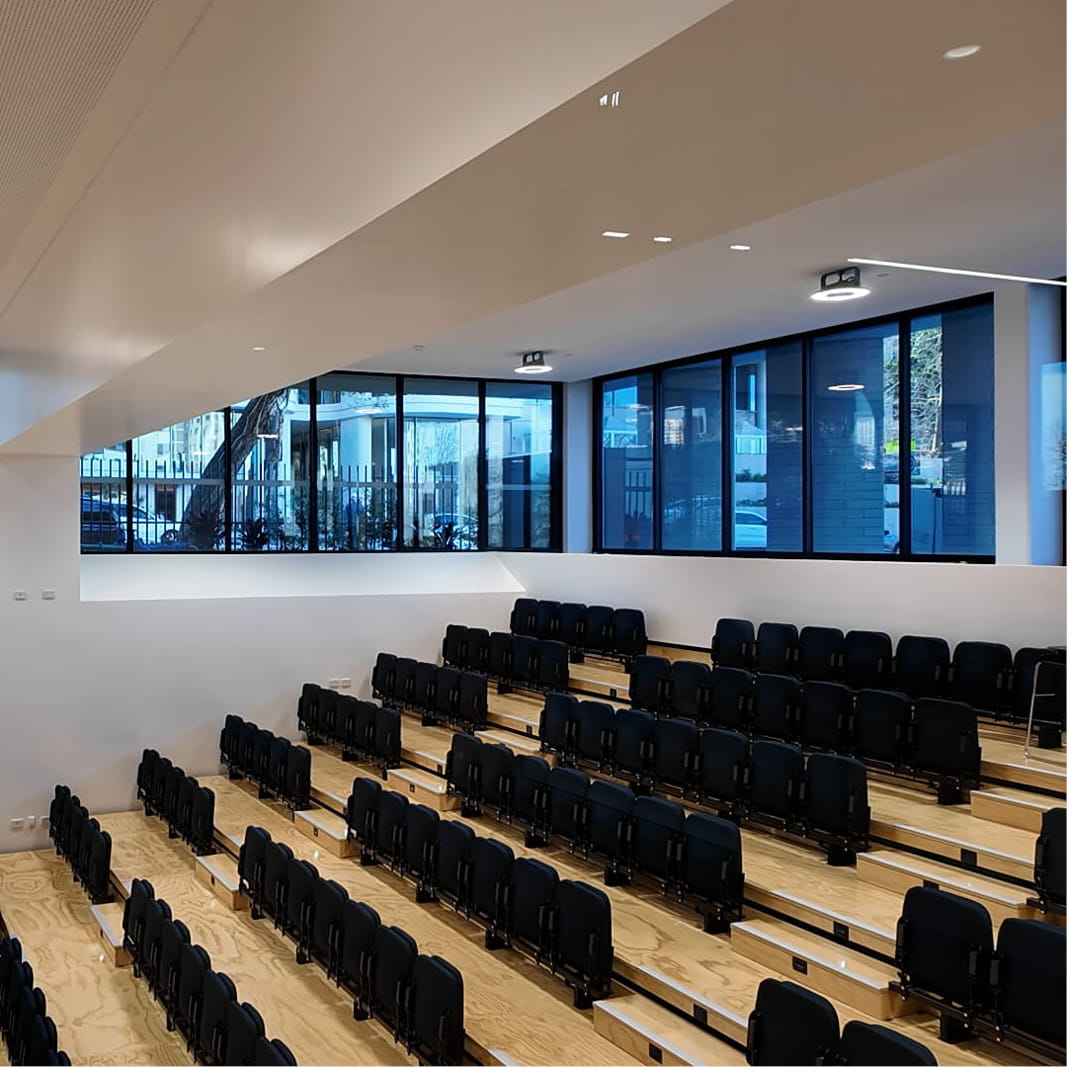
The existing reinforced concrete structure comprised three basement levels and eight floors above ground, totalling 9,150 m². Key upgrades included converting basement car parks into a school drop-off zone, an auditorium, and performance spaces, alongside a theatre, sports hall, and flexible classrooms. The campus also features advanced science and technology labs, music rooms, drama and dance studios, and a contemporary library.
Project Challenges
RBG’s expertise in structural and temporary works enabled the development of a fully integrated solution to meet the project’s complex requirements.
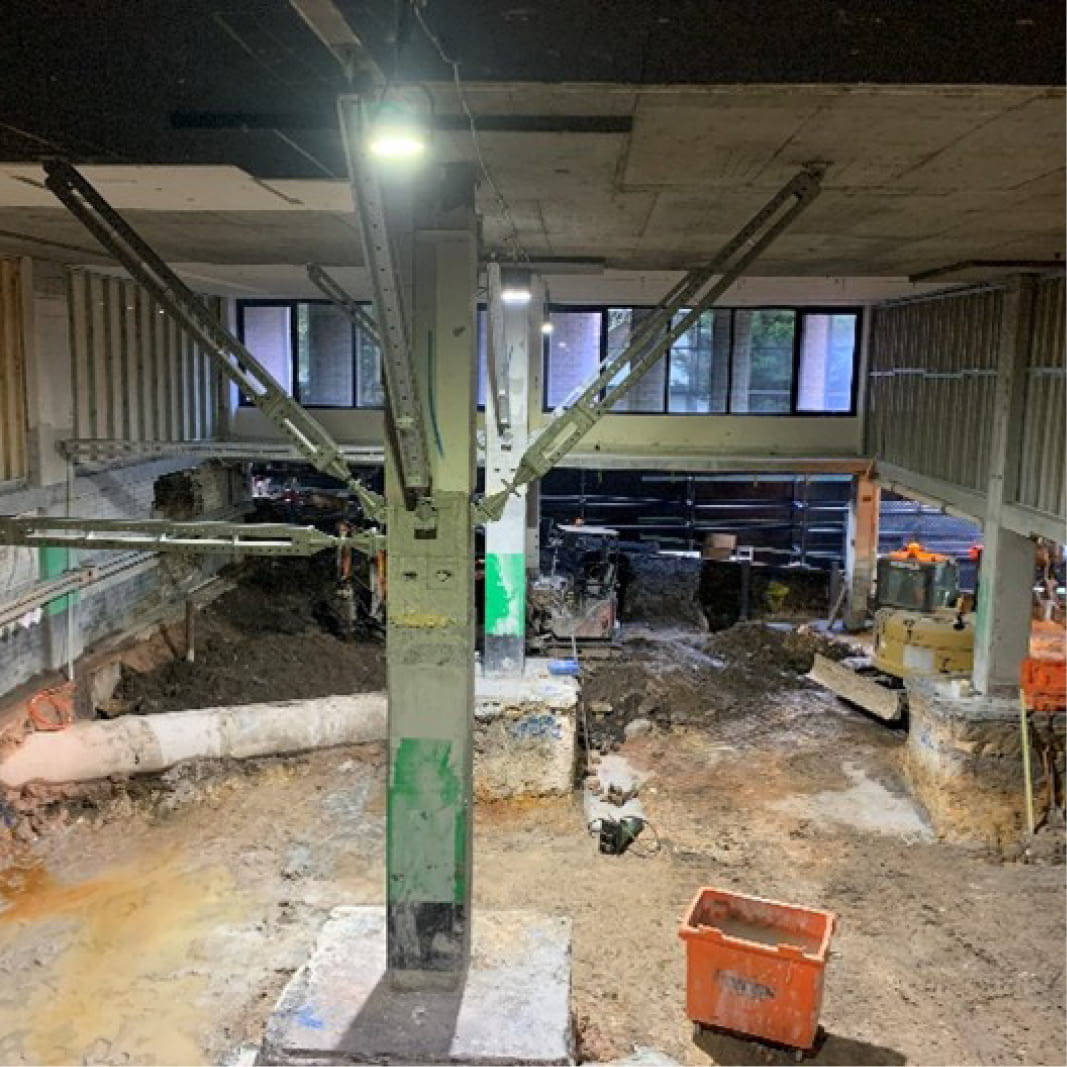
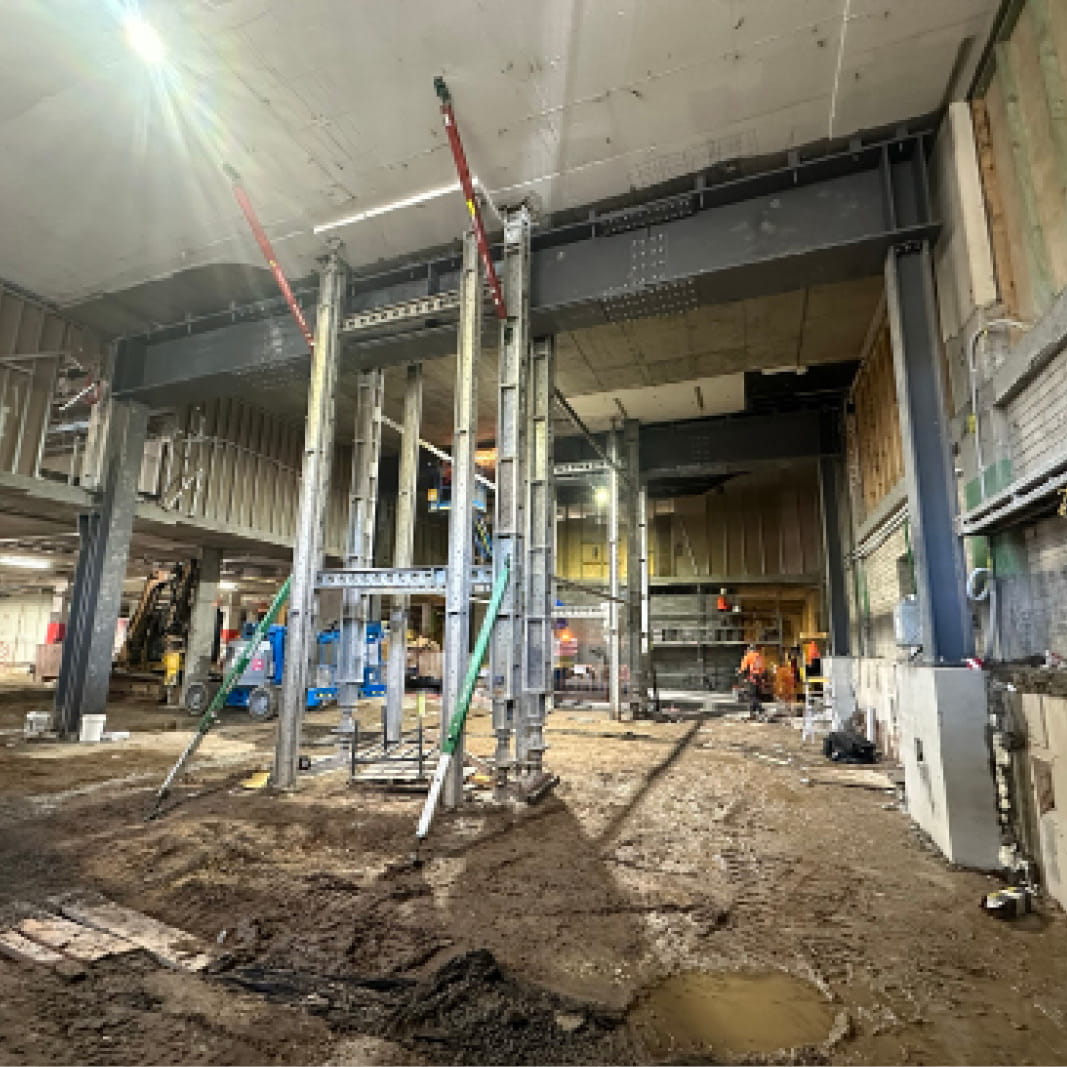
- Basement Excavation & Underpinning: The team implemented an extensive column propping and underpinning methodology, allowing the basement level to be safely excavated 1.5 metres below its original slab-on-grade level. Once excavation was complete, the original columns were demolished and reconstructed at the correct height.
- Transfer Beam Design: Custom steel transfer beams were designed to span across the proposed auditorium, supporting columns above the new open space. A complex methodology, developed in collaboration with the contractor, enabled the columns to be propped, beams installed, and pre-deflected to minimise structural impact on upper levels.
- Concrete Durability: Due to full carbonation of the external and car park concrete structure, RBG worked closely with a durability consultant to extend the building’s design life by 50 years. Solutions included protective coatings, reinforcement assessments, and structural strengthening where required.
Value Add
RBG delivered:
- Innovative underpinning solutions enabling excavation within an existing basement
- Responsive collaboration with contractors and consulting partners
- Engineering strategies that preserved heritage while meeting modern educational needs
- Contribution to sustainability through adaptive reuse and reduced material consumption
Compliance & Performance
An additional challenge was ensuring compliance with the current Building Code of Australia (BCA). The building’s reclassification from Class 5 to Class 9b required meeting updated standards, including AS 1170.4 (earthquake loading), not considered during the original 1970s design.
RBG developed a performance-based structural solution that preserved heritage fabric while providing reasonable earthquake resistance. This approach enabled the building to achieve one-third of current earthquake demand without compromising historical integrity.
Sustainability
The project embraced a circular economy mindset, prioritising adaptive reuse over demolition to minimise embodied carbon. By leveraging existing materials and structure, the team significantly reduced environmental impact compared to new construction.
- Avoided unnecessary resource consumption and waste generation
- Maintained heritage connections, reducing cultural and environmental loss