
Overview
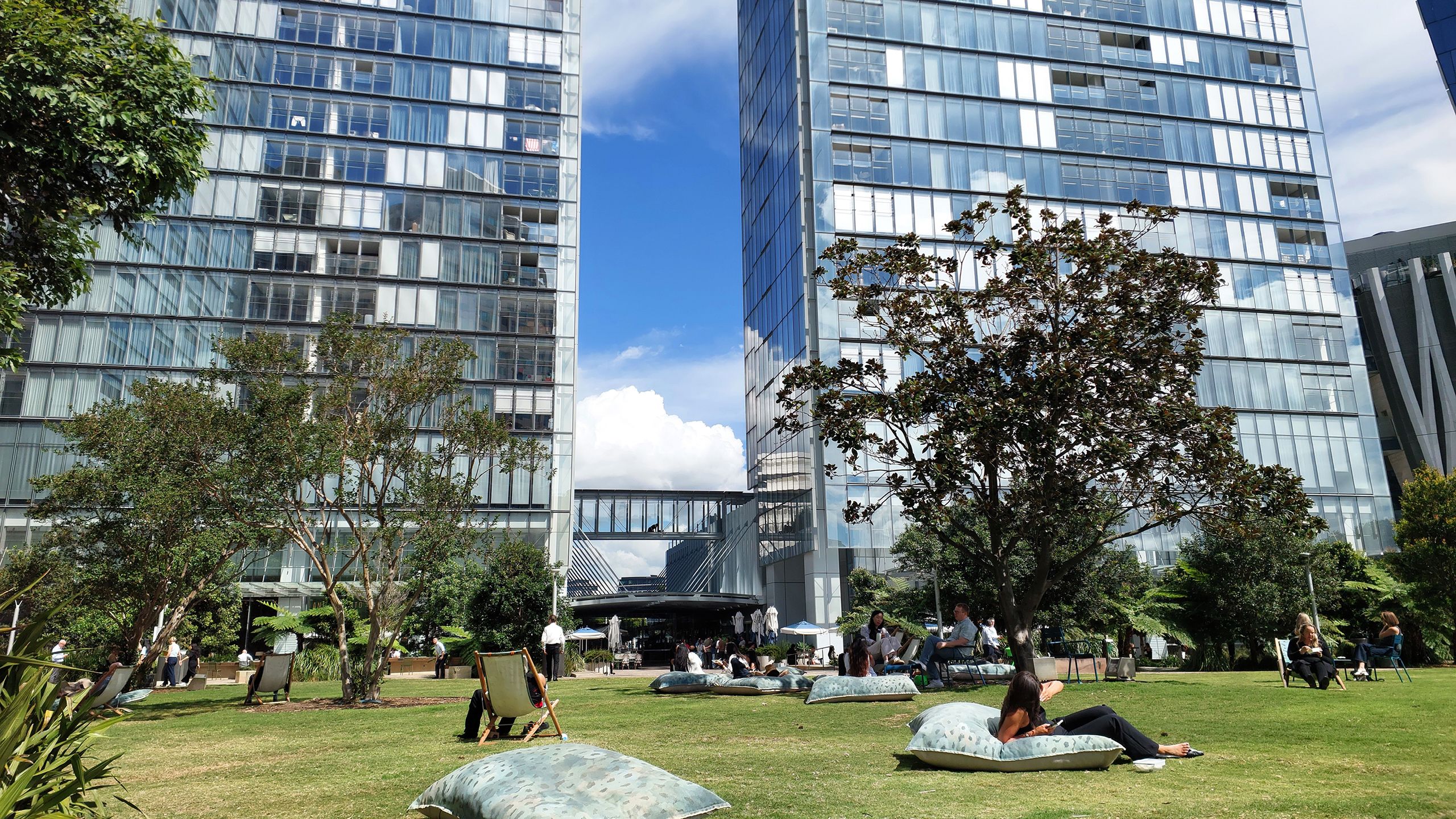
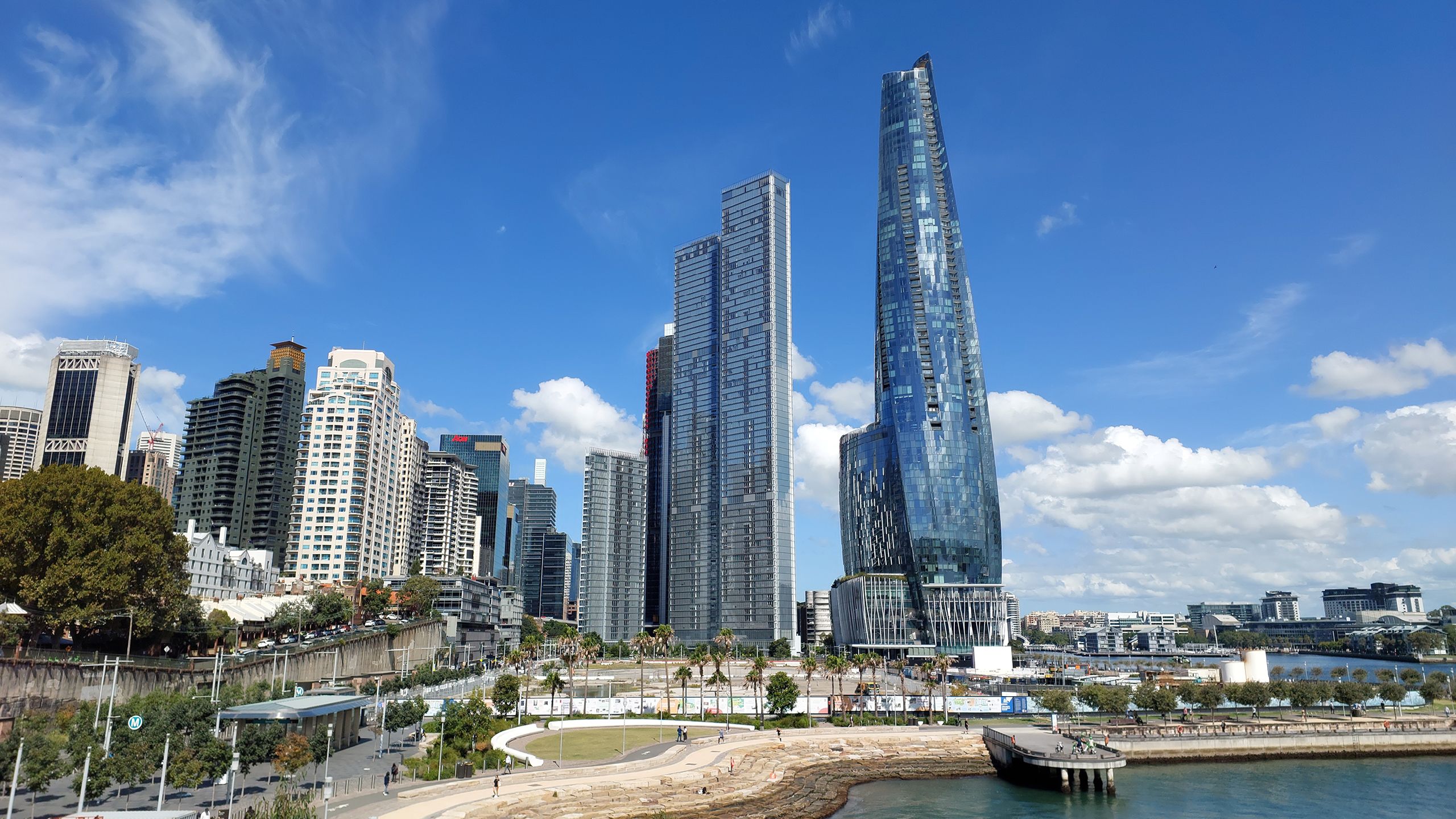
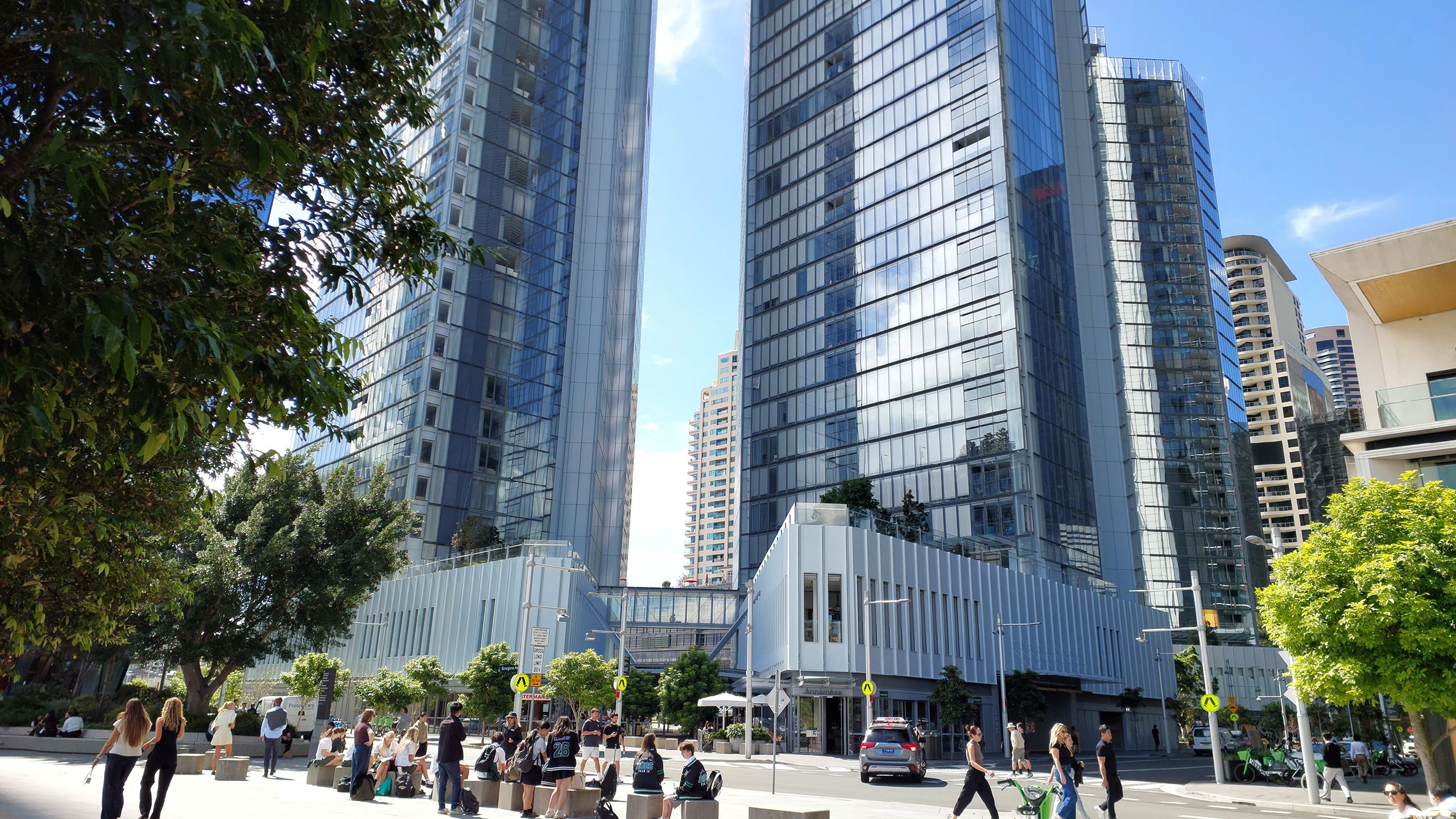
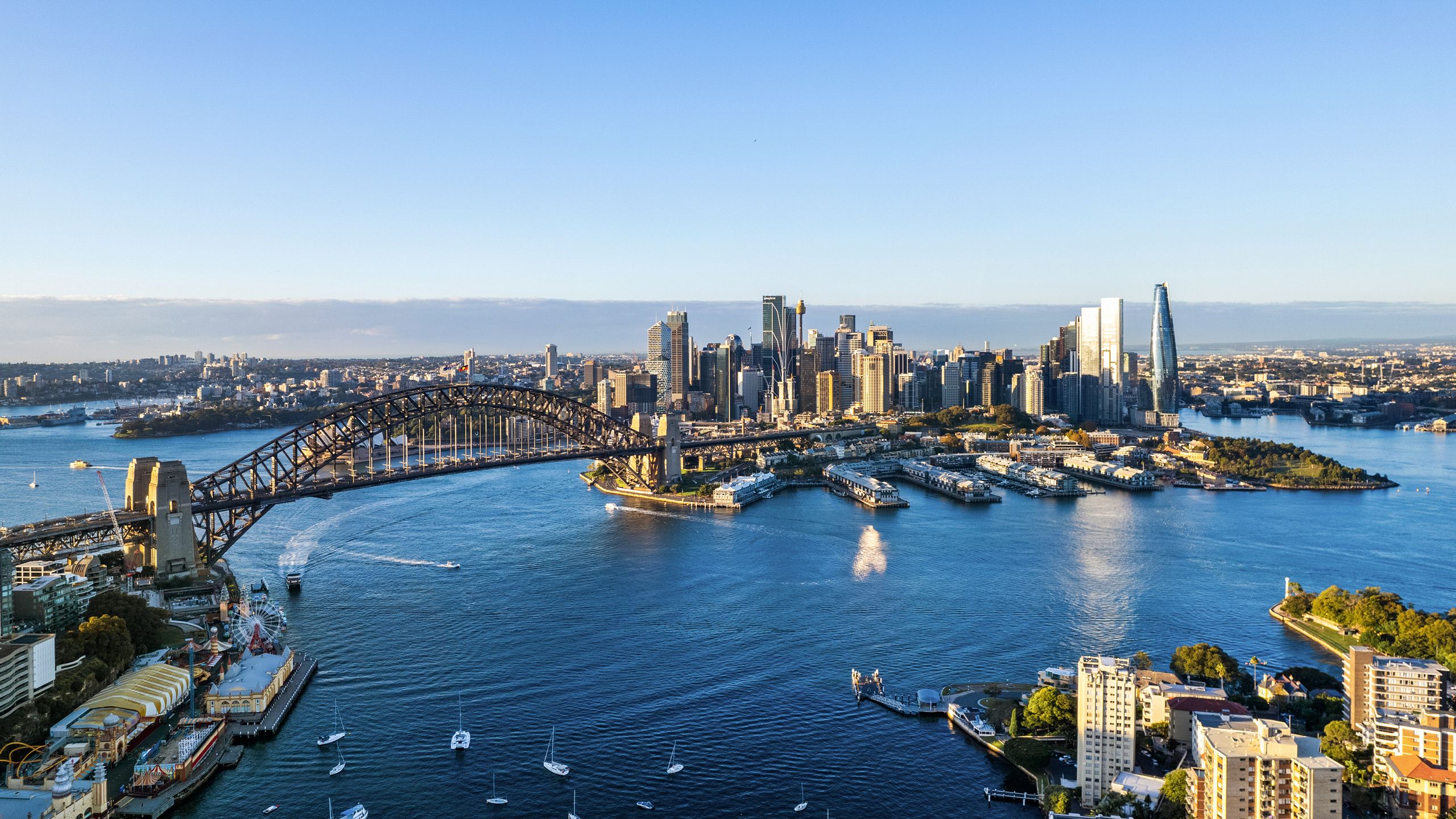
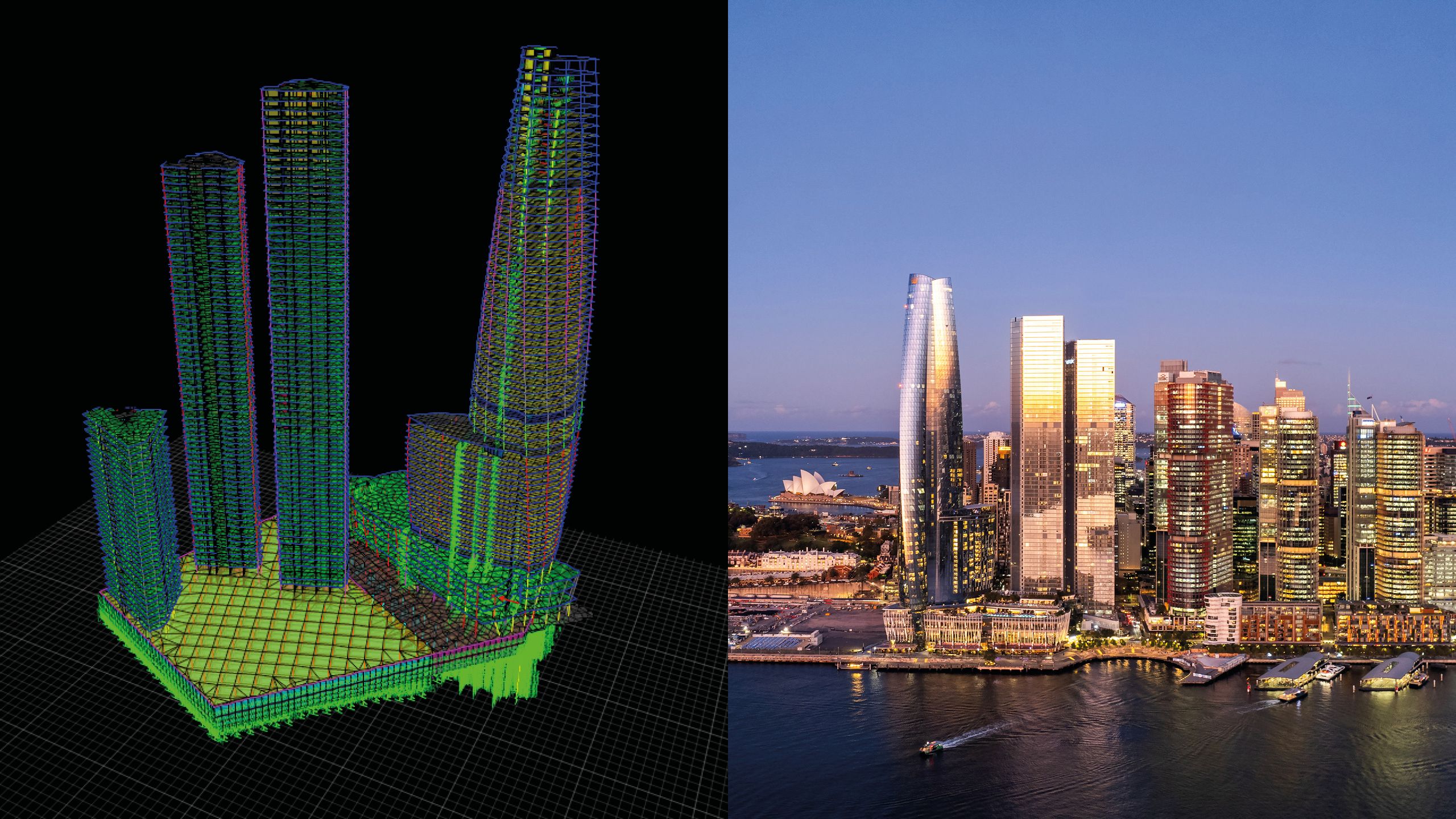
One Sydney Harbour completes the residential quarter of Barangaroo South, bringing together three slender residential towers, a shared four-level basement and a substantial new public realm on Sydney Harbour. Designed by Renzo Piano Building Workshop with PTW, and delivered by Lendlease, the development forms a distinctive waterfront composition, with the tallest tower rising to 247 metres.
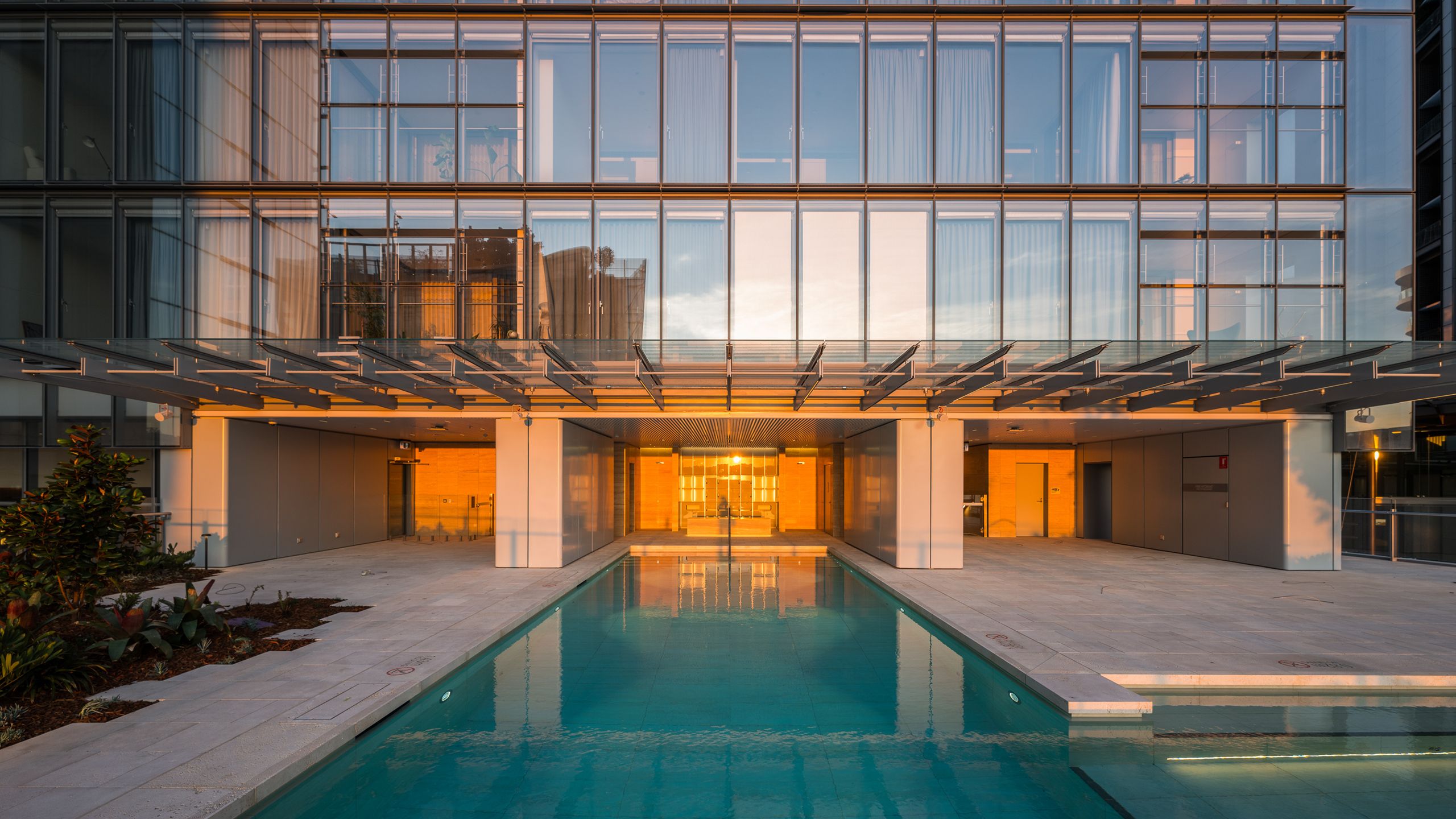
The three towers provide approximately 108,000m² of gross floor area above a shared basement of around 48,000m². The basement structure also supports Hickson Park, approximately 8,000m² of landscaped public open space, surrounding roads and pedestrian connections.
Robert Bird Group joined the project in 2013 during concept design, providing structural input through the planning and approval process before leading the structural design of the basement and all three residential towers. Our involvement continued through detailed design, construction engineering and construction-phase support, allowing the permanent structure, temporary works and construction methodology to be considered together from the outset.
Challenge
One Sydney Harbour combined the demands of a major tall-building development with the complexity of a constrained harbourfront site.
Below ground, the basement was constructed within reclaimed land over sandstone that falls towards Sydney Harbour. The structure needed to respond to a high groundwater table and interfaces with neighbouring development, including the adjoining Crown basement.
Above ground, the towers are defined by slender, view-oriented floorplates. Irregular floorplate geometry created complex load paths and placed particular importance on wind response, occupant comfort, slab deflection, axial shortening and differential movement. These movements needed to be understood not only structurally, but in terms of their effect on façades, services, partitions and premium architectural finishes.
Construction added another layer of complexity. While the tower floorplates were structurally unconventional, significant portions repeated vertically and were intended to progress through rapid four- and five-day floor cycles. Delivering that programme across three towers required a wide range of temporary works solutions, backed by strong construction and site experience.
How Robert Bird Group added value
Integrating the basement, public realm and construction sequence
Robert Bird Group designed the basement structure and temporary works together, so the construction methodology was considered as part of the permanent design from the outset.
A reinforced concrete top-down platform was constructed before excavation. It restrained the basement walls and provided a working surface for construction access, allowing excavation to continue below while construction progressed above. Parts of the platform were later incorporated into the permanent basement structure.
Three-dimensional analysis was used to understand how the connected One Sydney Harbour and Crown basements would behave as excavation progressed. A hydrostatic base slab and tension piles were designed to resist groundwater uplift, supported by crack-control detailing and a coordinated waterproofing strategy. The foundation design was also developed to minimise piling where practical, helping reduce construction time and cost.
At ground level, Robert Bird Group rationalised the podium structure beneath the public realm to simplify waterproofing and reduce long-term maintenance requirements. Slab levels and upturn beams were coordinated to provide the required stiffness while maintaining a flat soffit and the clearances needed for car parking and services below.
Engineering movement in slender residential towers
The slender, view-oriented towers required structural systems that could accommodate irregular floorplates without compromising apartment layouts, lobby spaces or harbour views.
Transfer slabs, beams and banded walls were used to resolve changes in the structural grid and create open lobby and amenity areas. Wind engineering informed the structural response needed to control building movement and maintain occupant comfort.
Robert Bird Group predicted how the structure would shorten and deflect during construction. The results informed tolerances for façade installation and internal finishes, reducing the risk of later adjustment or remedial work.
These movement predictions were incorporated into a project digital twin, allowing façade joints, partitions, services and brittle finishes to be assessed before installation. Detailed slab analysis considered deflection at the stages when the façade and finishes were installed.
Additional movement control was provided in the taller towers for occupant comfort, including a tuned mass damper in Residences One, and a tuned sloshing damper in Residences Two. Robert Bird Group defined how the dampers needed to interact with the structure and the performance criteria it had to meet.
Designing for construction
The tower structures were designed with construction in mind from the outset.
Robert Bird Group assessed the slabs and supporting structure for temporary loads from backpropping, safety screens, formwork hoists, loading platforms, mast climbers and concrete boom pumps. In some areas, these construction loads exceeded the permanent design loads and governed reinforcement requirements.
The design was developed around rapid four- and five-day floor cycles, accounting for concrete strength gain, stressing sequences and how loads were shared through successive floors.
Innovative construction techniques were supported by RBG including the use of self-climbing columns on R1 and R2 (which created programme savings by allowing the column construction and the slab construction to be conducted simultaneously), and the use of load bearing precast columns on R3. RBG designed the permanent works in such a way as to limit the temporary works from items such as the jumpforms, tower cranes, hoists, loading platforms, and recovery cranes.
Lessons from Residences One and Two were carried into Watermans Residences, allowing construction requirements to be resolved earlier and improving efficiency on site.
Sustainability approach and outcomes
Robert Bird Group’s structural design supported One Sydney Harbour’s embodied carbon objectives, with particular focus on the concrete structure.
For Residences One, the structural concrete specification required proposed mixes to reduce Portland cement by 40 per cent against reference mixes, while maintaining the strength needed to support the construction cycle. Lendlease extended this approach across the development, targeting an average 40 per cent Portland cement replacement across all three towers, estimated to reduce overall embodied carbon emissions by up to 10 per cent against standard construction practice
Residences One and Two achieved 6 Star Green Star Design certification, with Watermans Residences targeting 6 Star Green Star Design & As Built.
Outcome and impact
One Sydney Harbour is now complete, with three occupied residential towers and Hickson Park forming a new part of Barangaroo South’s waterfront public realm.
Robert Bird Group’s involvement from concept design through construction allowed the permanent structure and construction methodology to be developed together. The engineering supports the slender tower forms while enabling the public realm above the shared basement.